• Home
  • Suggest A DIY
  • DIY Newsletter

Knitting

Free Patterns, Tutorials and Project Ideas

  • About CraftGossip
  • Our Network
    • Bath & Body Crafts
    • Candle Making Ideas
    • Crochet Ideas
    • Cross Stitch
    • Edible Crafts
    • Felting Patterns
    • Glass Art
    • Home & Garden Ideas
    • Indie Crafts
    • Jewelry Making
    • Kids Crafts
    • Knitting Patterns
    • Lesson Plans
    • Needlework
    • Party Ideas
    • Polymer Clay
    • Quilting Ideas
    • Recycled Crafts
    • Scrapbooking
    • Sewing Patterns
    • Card Making
    • DIY Weddings
    • Not Craft Ideas
  • Giveaways
  • Roundups
  • Store
  • Search

Herrschners to Distribute Big Twist Yarn

April 23, 2025 by Sarah White

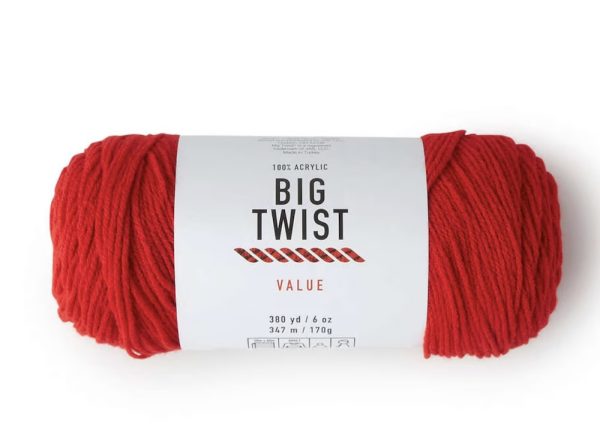
One of the biggest worries I’ve seen from people with the in-progress closing of Joann craft stores is the loss of Big Twist yarn. Big Twist is a private label yarn that was sold exclusively at Joann (though you can find some colors on Amazon at huge markups). Many crafters like it as their go-to low-cost acrylic yarn because it’s softer than Red Heart Super Saver but similarly came in a wide range of colors, as well as some prints and themed colorways.

There had been a rumor that the yarn was made by Spinrite/Yarnspirations and that they would start making it under one of their own labels such as Caron or Red Heart, but Marly Bird debunked that rumor.

Herrschners has announced that they “will soon be carrying” Big Twist yarn, “bringing you an even wider selection of colors and textures for all your knitting and crochet projects,” according to a statement on their website. No timeline is mentioned but they do suggest signing up for email alerts so you’ll know when the yarn is available.

In case you don’t know this company already, Herrschners is a needlework company that got its start in the late 1800s in Chicago. It has been a catalog company for more than 125 years (and I’ll still get their catalogs in the mail from time to time) and of course now they also sell online. The company is currently based in Stevens Point, WI.

They sell yarn and notions for knitting and crochet as well as needlepoint, latch hook, plastic canvas and other crafts. Since we’re talking about yarn, they carry well-known brands like Red Heart, Caron, Premier and Lion Brand, but also have their own private label brand of yarn. Their Supreme Worsted is probably the closest to a Big Twist option that they currently have.

I know a lot of knitters and crocheters will be relieved to have Big Twist as an option in the future. It’s not quite as convenient as running to your local store to grab a ball when you need it, but at least it will still be available!

[Photo via Joann]
Next Pattern:

  • Big Twist Yarn Now Available at Michaels
  • Blocky Yoke Gives Summer Cardigan a Fun Twist
  • Knit a Summer Top with a Textured Twist
«
»

Have you read?

How To Work A Provisional Cast On In Knitting

A provisional cast on is a temporary knitting cast on that keeps your stitches live so you can come back to them later. It is useful for seamless scarves, folded hems, sock toes, cowls, sweater edges, pockets, and projects where you need to knit in the opposite direction. This beginner-friendly guide explains what a provisional cast on is, when to use it, how to work the crochet chain method, how to remove it safely, and what to do when your stitches do not unzip quite as politely as promised.

A provisional cast on is one of those knitting techniques that sounds far more mysterious than it really is.

The first time I saw a pattern say “use a provisional cast on,” I remember thinking, lovely, another knitting instruction that assumes I have a secret degree in yarn engineering. But once you understand what it does, it is actually a very clever little trick.

A provisional cast on is simply a temporary cast on. Instead of locking the first row of stitches into place permanently, you cast on using scrap yarn so those stitches can be released later and worked again.

That means you can knit in one direction first, then come back and knit in the opposite direction. You can also graft two ends together, add a folded hem, create a seamless join, or finish a project without a bulky seam.

If you are still building your cast-on confidence, you may also like our cheat sheet for knitting cast ons, which is a handy little reference when a pattern assumes you already know which cast on to choose.

What Is A Provisional Cast On?

A provisional cast on is a temporary cast on used to hold stitches until you are ready to work them later.

Instead of creating a permanent edge, the stitches are held with scrap yarn. When the time comes, you remove the scrap yarn and place the live stitches back onto your knitting needle.

This is especially useful when you want:

  • A seamless join
  • A folded hem
  • A two-direction scarf or shawl
  • A cowl joined with grafting
  • A sock toe or afterthought section
  • A waistband or casing
  • A pocket lining
  • A clean, professional-looking edge

It is one of those techniques that feels fiddly the first time, but once you have done it a couple of times, you start seeing where it could be useful everywhere.

When Should You Use A Provisional Cast On?

You will usually use a provisional cast on when a knitting pattern needs access to the cast-on stitches later.

Common projects include:

Seamless Cowls And Loop Scarves

A provisional cast on makes it easier to graft both ends of a scarf or cowl together because you have live stitches at both ends. We mention this in our post on using your stash to make loop scarves, where a provisional cast on helps create a neater finish if you do not want a sewn seam.

Double-Thick Hot Pads And Potholders

Provisional cast-ons are brilliant for double-layered projects where you want to avoid sewing. Our linen stitch hot pad knitting pattern uses a crochet cast on and picked-up stitches to create a thick, practical piece without a bulky seam.

Cowls With Linings

If you are knitting a lined cowl, a provisional cast on lets you work the outside first, then release the live stitches and work the lining. This is a lovely way to make warm, polished accessories like the cowl featured in Get Double the Warmth with This Cowl Knitting Pattern.

Sweaters, Tops, And Folded Edges

A provisional cast on is often used for folded hems, casings, drawstrings, and garment details. In our roundup of summer tops to knit, one of the featured patterns begins with a provisional cast on to make a drawstring casing.

Learning New Techniques

Provisional cast ons also appear in skill-building knitting books and sampler projects. Our review of Learn to Knit in 50 Squares mentions provisional cast ons as one of the techniques included for knitters who want to expand beyond the basics.

Which Provisional Cast On Is Best For Beginners?

There are a few different provisional cast-on methods, but the most beginner-friendly option is usually the crochet chain provisional cast on.

It uses scrap yarn and a crochet hook to create a temporary chain. You then pick up stitches from the chain and knit with your working yarn.

The advantage is that it is easy to see what is happening. The disadvantage is that you need to pick up stitches from the chain carefully, and if you pick up the wrong side of the chain, it will not unzip as cleanly later.

There is also a one-step crochet provisional cast on, where you use a crochet hook to place stitches directly onto your knitting needle. This is faster once you understand the movement, but it can feel a little awkward for absolute beginners.

For most knitters, I recommend learning the crochet chain method first because it helps you understand how provisional stitches work.

What You Need

To work a crochet provisional cast on, you will need:

  • Your knitting needle
  • Smooth scrap yarn in a contrasting colour
  • Your main project yarn
  • A crochet hook close in size to your knitting needle
  • A blunt tapestry needle
  • Stitch markers, if your pattern calls for them

Choose scrap yarn that is smooth and easy to see. Cotton yarn or a smooth acrylic is usually easier to remove than anything fuzzy. Avoid mohair, boucle, or anything that behaves like it has made a lifelong commitment to tangling.

If you are putting together a little knitting notions pouch, a crochet hook, locking stitch markers, tapestry needles, and small scissors are all worth having nearby. Amazon usually has affordable knitting notions kits, and Mary Maxim is a good place to browse yarn, knitting tools, and beginner-friendly supplies.

Crochet Chain Provisional Cast On: Step-By-Step

This is the easiest provisional cast on method to understand visually.

Step 1: Make A Crochet Chain

Using your scrap yarn and crochet hook, make a crochet chain that is longer than the number of stitches you need.

For example, if your pattern says to cast on 40 stitches, make a chain of about 50 to 55 stitches. The extra chains give you a little breathing room at each end.

Do not make the chain too tight. A tight crochet chain is harder to work into and harder to remove later.

Step 2: Turn The Chain Over

Look at the back of the crochet chain. You should see little bumps along the back.

These bumps are the part you want to pick up and knit into. Picking up the bumps helps the chain unzip more neatly later.

Step 3: Pick Up Stitches Through The Bumps

Using your knitting needle and main project yarn, insert the needle into the first bump of the crochet chain.

Wrap your main yarn and pull through a stitch, just as you would when picking up and knitting.

Continue picking up one stitch through each bump until you have the number of stitches your pattern requires.

Step 4: Begin Knitting With Your Main Yarn

Once you have the correct number of stitches on your needle, turn your work and begin knitting according to your pattern.

The scrap yarn chain will sit along the bottom edge of your work, quietly doing its job until you need those live stitches later.

Step 5: Mark The End That Will Unzip

This is a tiny step, but it can save you so much frustration.

Tie a small knot, add a removable stitch marker, or leave a longer tail at the end of the crochet chain that will be pulled out later.

When it is time to remove the provisional cast on, you want to know which end to start from. Otherwise, you may find yourself picking at the wrong end and questioning every choice that brought you to this moment.

How To Remove A Provisional Cast On

When your pattern tells you to remove the provisional cast on, take your time.

Step 1: Place The Live Stitches On A Needle

Before pulling out the scrap yarn completely, insert your knitting needle into the live stitches along the edge.

Some knitters prefer to place the stitches onto a smaller needle first because it is easier to catch them.

Step 2: Unzip The Scrap Yarn

Find the correct end of the crochet chain and gently pull.

If everything has been picked up correctly, the scrap yarn should unzip neatly, leaving live stitches on your needle.

Step 3: Check Your Stitch Count

Count your stitches before continuing.

If you are missing a stitch, do not panic. It may be tucked into the edge or slightly twisted. Use a crochet hook or tapestry needle to help catch it.

Step 4: Work The Stitches As Directed

Once all the stitches are safely on your needle, follow your pattern. You might be knitting in the opposite direction, joining two edges, grafting with Kitchener stitch, working a lining, or creating a folded hem.

One-Step Crochet Provisional Cast On

The one-step crochet provisional cast on creates the crochet chain and places stitches on your knitting needle at the same time.

This method is quicker once you get the hang of it, but it can feel a little like patting your head and rubbing your tummy at first.

How It Works

Hold your knitting needle and crochet hook together.

With scrap yarn on the crochet hook, you crochet around the knitting needle so that each loop becomes a stitch on the needle.

After each stitch is placed on the knitting needle, the yarn moves behind the needle again for the next stitch.

When you have enough stitches, chain a few extra stitches with the crochet hook, cut the scrap yarn, and begin knitting with your main yarn.

Best For

This method is useful when you want a faster provisional cast on and do not want to pick up bumps from a crochet chain later.

Not Ideal For

Absolute beginners may find this method more confusing than the crochet chain method, especially if they are not comfortable using a crochet hook.

Provisional Cast On Without Crochet

If you do not crochet at all, you can still work a provisional cast on.

Some knitters use a waste-yarn method that looks similar to a long-tail cast on. Others use a circular needle or spare cord to hold the temporary stitches.

These methods can work beautifully, but the crochet chain method is still one of the most common because it is easy to remove and easy to recognise in a pattern.

If you are still learning basic cast ons, you may want to read our post on what your favourite cast on says about your knitting habits, which includes a mention of provisional cast ons and why knitters often have strong opinions about them.

Tips For A Neater Provisional Cast On

Use A Contrasting Scrap Yarn

Choose scrap yarn in a colour that contrasts with your main yarn. If your main yarn is navy, do not use black scrap yarn unless you enjoy making things harder for yourself.

Use Smooth Yarn

Smooth scrap yarn unzips better. Fuzzy yarn can catch on your stitches and make the whole thing more fiddly than it needs to be.

Chain Extra Stitches

Always make your crochet chain longer than needed. Those extra chains give you a safe margin at the beginning and end.

Keep The Chain Loose

A tight chain makes it harder to pick up stitches and harder to remove later. Keep your hands relaxed.

Count Twice

Count your stitches after picking them up, and count again after removing the scrap yarn. It is much easier to fix a missing stitch early than after you have knitted several more inches.

Mark The Unzip End

Do not skip this. Truly. Future-you will be grateful.

Common Provisional Cast On Problems

My Crochet Chain Will Not Unzip

This usually means you picked up through the wrong part of the chain or you are pulling from the wrong end.

Try gently unpicking the chain stitch by stitch instead. It is slower, but it saves the live stitches.

I Dropped A Stitch When Removing The Scrap Yarn

Use a crochet hook to catch the dropped stitch before it runs. Place it back on the needle and check your stitch count.

If dropped cast-on stitches make you nervous in general, our post on how to fix a dropped cast on stitch is a useful one to bookmark.

My Live Stitches Are Twisted

Twisted stitches can happen when you place them back on the needle. Check the stitch mount before knitting them. If a stitch is twisted, turn it around on the needle before working it.

My Scrap Yarn Is Stuck

If the scrap yarn is fuzzy, splitty, or too close in texture to the main yarn, it can catch. Work slowly and use a tapestry needle to loosen stubborn spots.

I Picked Up The Wrong Number Of Stitches

This is common. Go back and check the edge carefully. Sometimes the first or last stitch hides slightly. If you are off by one stitch and the pattern allows it, you may be able to increase or decrease discreetly on the next row, but for shaped pieces or grafting, it is better to correct the count properly.

What Projects Are Best For Practicing A Provisional Cast On?

If you are new to provisional cast ons, do not start with a complicated lace sweater in black yarn. That is the knitting equivalent of choosing chaos.

Start with something small and practical, such as:

  • A simple headband
  • A mug cosy
  • A dishcloth with a folded edge
  • A small cowl
  • A hot pad
  • A practice swatch

A double-thick dishcloth or potholder is a great first project because it gives you a reason to use the technique without committing to a huge piece. Cotton yarn is ideal for this because it is smooth, washable, and easy to see. Mary Maxim and Amazon both usually have cotton yarn options that work well for practice projects and handmade gifts.

Provisional Cast On Vs Regular Cast On

A regular cast on creates a permanent starting edge.

A provisional cast on creates a temporary starting edge that can be removed later.

Use a regular cast on when the edge will stay as it is.

Use a provisional cast on when you need to come back to the stitches later.

Simple enough, but very important.

Provisional Cast On Vs Crochet Cast On

These terms can be confusing because they overlap.

A crochet cast on can be permanent or provisional, depending on how it is worked.

A crochet provisional cast on uses scrap yarn and is meant to be removed later.

A permanent crochet cast on is worked with the project yarn and stays in the knitting.

So when a pattern says “crochet provisional cast on,” it means the temporary version.

Provisional Cast On FAQ

What is the point of a provisional cast on?

The point of a provisional cast on is to keep the cast-on stitches live so you can work them later. This allows you to create seamless joins, folded hems, casings, linings, and two-direction knitting.

Is a provisional cast on hard?

It can feel awkward the first time, but it is not difficult once you understand the purpose. The crochet chain method is usually the easiest for beginners.

Do I need to know crochet to do a provisional cast on?

You only need to know how to make a simple crochet chain for the most common method. Even if you are not a crocheter, this is a very small crochet skill and well worth learning.

What yarn should I use for a provisional cast on?

Use smooth scrap yarn in a contrasting colour. Avoid fuzzy, textured, or splitty yarn because it can be harder to remove.

Can I use the same yarn for the provisional cast on?

It is better to use scrap yarn in a different colour. This makes it much easier to see and remove later.

Why did my provisional cast on not unzip?

It may not unzip if you picked up the wrong part of the crochet chain, pulled from the wrong end, or used yarn that caught on the stitches. You can still remove it by carefully unpicking the chain stitch by stitch.

Can I use a provisional cast on for socks?

Yes. Provisional cast ons are sometimes used for toe-up socks, afterthought heels, or decorative sock constructions where live stitches are needed later.

Can I use a provisional cast on for a folded hem?

Yes. A provisional cast on is excellent for folded hems because you can later join the live stitches to the body of the knitting for a clean, enclosed edge.

A Provisional Cast On Is Worth Learning

A provisional cast on is not something you will use for every knitting project, but when you need it, nothing else gives quite the same clean result.

It lets you create seamless joins, folded hems, linings, casings, and two-direction knitting without bulky edges or awkward sewing. It is one of those techniques that quietly makes your finished projects look more polished.

And if your first attempt does not unzip perfectly, do not take it personally. Scrap yarn has been known to have opinions. Try a smooth contrasting yarn, keep the chain loose, mark the end, and give yourself a little patience.

Once you get the hang of it, you will start spotting all sorts of places where a provisional cast on makes life easier — and that is when it becomes one of those lovely little knitting skills you are very glad to have tucked into your toolkit.


Categories

baby hat Baby Patterns Beginner Book Reviews cardigan Christmas CraftGossip Giveaways Craft News and Events Free Knitting Patterns Giveaways! Hats Knitting Articles Of Interest Knitting Patterns Knitting Technique & Ideas mittens Quick scarf shawl patterns socks Sweaters

RSS More Articles

  • 4 FREE Marine Creatures Digital Stamps
  • Pocket Emotional Support Chickens
  • All About Cross Stitch Project Bags
  • Get into the Details with the Sashiko Tee Knitting Pattern
  • How To Add In-Seam Pockets To A Dress, Skirt Or Pants
  • Wet Felted Hot Water Bottle Cover Tutorial Review – Gillian Gladrag
  • 12 Masculine Scrapbook Layout Ideas for Boys and Teens
  • Claire Easy Granny Stitch Cardigan Crochet Pattern Review
  • Easy Patriotic Mason Jar Cricut Craft for Summer Decorating
  • How To Sew A Tube Top: 10 Easy Tube Top Sewing Tutorials

Pick Your Blog

  • Sewing
  • Knitting
  • Quilting
  • Crochet
  • Home & Garden
  • Recycled Crafts
  • Scrapbooking
  • Card Making
  • Polymer Clay
  • Cross-Stitch
  • Edible Crafts
  • Felting
  • Glass Art
  • Indie Crafts
  • Kids Crafts
  • Jewelry Making
  • Lesson Plans
  • Needlework
  • Bath & Body
  • Party Ideas
  • Candle Making
  • DIY Weddings
  • Not Craft
  • Free Craft Projects

Copyright © 2026 · CraftGossip | Start Here | Contact Us | Link to Us | Your Editors | Privacy and affiliate policy