• Home
  • Suggest A DIY
  • DIY Newsletter

Knitting

Free Patterns, Tutorials and Project Ideas

  • About CraftGossip
  • Our Network
    • Bath & Body Crafts
    • Candle Making Ideas
    • Crochet Ideas
    • Cross Stitch
    • Edible Crafts
    • Felting Patterns
    • Glass Art
    • Home & Garden Ideas
    • Indie Crafts
    • Jewelry Making
    • Kids Crafts
    • Knitting Patterns
    • Lesson Plans
    • Needlework
    • Party Ideas
    • Polymer Clay
    • Quilting Ideas
    • Recycled Crafts
    • Scrapbooking
    • Sewing Patterns
    • Card Making
    • DIY Weddings
    • Not Craft Ideas
  • Giveaways
  • Roundups
  • Store
  • Search

How to Decrease Stitches in Knitting

May 4, 2024 by Sarah White

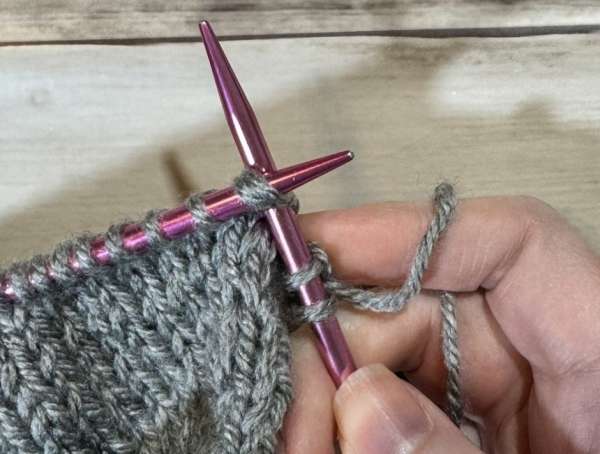
A little while back I shared my post about how to increase knitting stitches, so now it’s time to take them away.

There are a lot of different ways to decrease stitches, just as there are a lot of ways to increase stitches, so my collection isn’t exhaustive, but it does cover the most common knitting decreases you are likely to encounter as you begin your knitting journey.

For example, knit 2 together. This is probably the most common decrease out there, and if you don’t care how it looks you can use it most of the time. It’s often paired with a slip, slip knit or SSK, though, because a knit 2 together leans to the right and the SSK leans to the left.

This pair of decreases looks great when you want to emphasize the decrease line (say, if you’re working a raglan design from the bottom up) or if you want the decreases to point inward on each side, as when you work decreases for a sock toe.

While the SSK is by far the most common left-leaning decrease, you can also try out a slip 1, knit 1, pass the slipped stitch over, which is not quite as prominent in the knit fabric (to my eye, anyway, it doesn’t seem to stick out as much) so it’s a great one to try.

And of course there are double decreases you might use in lace or other situations where you don’t really want a decrease that leans in either direction and you need to take out two stitches at once.

All of these are easy to do (though I will admit to always having to think through which decreases lean which way, just like I have to look up how to make a make 1 left or make 1 right each time) and you can find a quick tutorial for each in my guide to knitting decreases over at Our Daily Craft.

Do you have a favorite decrease? I’d love to hear about it!
«
»

Have you read?

Classic Dishcloth Knitting Patterns

Fall will be here before we know it, and that means there are holidays coming right behind where we might be entertaining at home. It’s always fun to have a hand knit touch in your home for other people to see, and if you’re going to be in the kitchen all day you might as well have some nice knit dish cloths to use. 

I love this little plaid hand towel from Darling Jadore. Use a little bit of leftover cotton yarn from another project for the plaid portion. It looks like the horizontal stripes are worked as you knit and the vertical stripes are done with duplicate stitch, making this a quick and easy project even newer knitters can make. 

Combine garter stitch and an easy eyelet pattern worked sideways to make the Annette Dish Towel from Cluck Cluck Boots, which is meant to be reminiscent of flour sack towels. It calls for DK weight yarn and you can work it in one color or two (or even three!). 

Add a little more texture with this set of kitchen towels from Whileberry Creative. They’re mostly worked in garter stitch with borders in easy knit/purl patterns, and you can work them in sport or worsted weight yarn. 

Two of Wands Shop has another cute allover knit and purl pattern they call the Seersucker Textured Tea Towel. It’s an easy repeating pattern worked in worsted weight yarn, and there’s a chart in the pattern you can use, but don’t have to, if you want to practice knitting from a chart. 

The Classic Cloth dish towel from Handmade Home by Connie is another one that can use a little leftover yarn in a contrasting color, or you could color block it our use stripes throughout the pattern. This one uses worsted weight yarn and another easy repeating knit purl stitch pattern. 

If you like to hang your towel on the oven handle or elsewhere but it’s always falling off, try the Stay Put kitchen towel from Fancy Step Knits. This project is worked in garter stitch and includes a hole partway through so you can pull the towel through itself over a rod or handle. Stripes are optional but a nice addition. 

Categories

Afghans, Blankets, Throws baby hat Baby Patterns Beginner Book Reviews cardigans Christmas Craft News and Events Free Knitting Patterns Giveaways! Hats and Beanies Knit Knitting Patterns Knitting Technique & Tutorials mittens Quick Knits scarf shawl patterns socks Sweaters

RSS More Articles

  • 4 Crayon Cutable or Printable Files for Back to School
  • How to Make a Crochet Vision Board – Plan the Crochet Projects You Actually Want to Make
  • What to Serve with Rotisserie Chicken: 21 Delicious Sides You’ll Want on Repeat
  • Etsy Feature – Moth Pottery Template for Slab Building
  • Hubcap Creatures: Transforming Roadside Finds into Sculptural Wildlife
  • Learning about Georgia for Kids
  • How to Make a Moth Birthday Card
  • DIY Giant Eyeball Lanterns – Creepy Halloween Decoration
  • Designer Spotlight: Artmishka Cross Stitch
  • Freebie Friday – Grungy Pumpkins and Fall Tags Junk Journal Printables

Pick Your Blog

  • Sewing
  • Knitting
  • Quilting
  • Crochet
  • Home & Garden
  • Recycled Crafts
  • Scrapbooking
  • Card Making
  • Polymer Clay
  • Cross-Stitch
  • Edible Crafts
  • Felting
  • Glass Art
  • Indie Crafts
  • Kids Crafts
  • Jewelry Making
  • Lesson Plans
  • Needlework
  • Bath & Body
  • Party Ideas
  • Candle Making
  • DIY Weddings
  • Not Craft
  • Free Craft Projects

Copyright © 2026 · CraftGossip | Start Here | Contact Us | Link to Us | Your Editors | Privacy and affiliate policy