• Home
  • Suggest A DIY
  • DIY Newsletter

Knitting

Free Patterns, Tutorials and Project Ideas

  • About CraftGossip
  • Our Network
    • Bath & Body Crafts
    • Candle Making Ideas
    • Crochet Ideas
    • Cross Stitch
    • Edible Crafts
    • Felting Patterns
    • Glass Art
    • Home & Garden Ideas
    • Indie Crafts
    • Jewelry Making
    • Kids Crafts
    • Knitting Patterns
    • Lesson Plans
    • Needlework
    • Party Ideas
    • Polymer Clay
    • Quilting Ideas
    • Recycled Crafts
    • Scrapbooking
    • Sewing Patterns
    • Card Making
    • DIY Weddings
    • Not Craft Ideas
  • Giveaways
  • Roundups
  • Store
  • Search

A Super Clever Way to Deal with Long Floats in Colorwork Knitting

November 16, 2016 by Sarah White

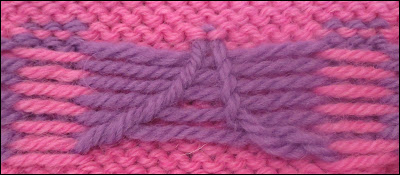
The STUART method for dealing with long floats in colorworkI love doing colorwork — especially stranded knitting — on cold-weather items because the floats on the back of the work add an extra layer of insulation, which I always seem to need.

But one problem with stranded colorwork is the fact that your floats on the back need to be kept relatively short (the rule that is usually quoted is no longer than five stitches between color changes, but there is some wiggle room) so as not to distort the fabric or provide lots of opportunities for catching fingers on floats as you try to put a garment on.

I typically deal with longer than normal floats by twisting the working yarn and the floating yarn together, which does tack it in but also makes a twist in the yarns, which get tangled and messy pretty quickly.

I haven’t tried it yet but I’m really intrigued by this method for dealing with long floats described by TECHKnitting, what she calls the STUART method.

STUART stands for slip, then unhook and rehook twice, which doesn’t sound like anything logical, but I promise it is. You initially catch the floating yarn by changing its position as you knit, then you go back and make the floats ladder up themselves, in a technique that is somewhat similar in look to the ladderback jacquard technique used in commercial knitting.

It sounds like a simple and really effective way to deal with long floats, and I will definitely be trying it out the next time I have some to deal with. What do you think?

[Photo via TECHKnitting.]
Next Pattern:

  • Super Long Legwarmer Knitting Pattern
  • Super Fun Colorwork Socks to Knit
  • Easy Long Cardigan Knitting Pattern
«
»

Comments

  1. Dot says

    November 16, 2016 at 10:22 pm

    TECHKnitting’s method sounds interesting. (All her blog posts are interesting!)

    It’s a bit different from “invisible stranding”, also called “ladderback jacquard”. Invisible stranding is a variation of double knitting. I’m currently learning invisible stranding while knitting Christmas stockings for my daughter’s kittens. I like it better than twisting the strands together, but it takes planning ahead.

Have you read?

Stitch Your Favorite Fruit on a Sweater

The other day I saw a post from Pinterest about trends for summer and it said one of them was “cultivating whimsy.” 

Well, I don’t know where Pinterest has been all this time, but we’ve been cultivating whimsy here at Craft Gossip for a long time. I love sharing projects that are a little different, things that make you smile when you see them, and will make you smile when you knit them and wear them or use them. 

Such it is with the Tutti Frutti tee knitting pattern from Bea Creative Knits. 

This cute little baby tee is worked top down in the round with contiguous shoulder construction to shape the sleeve caps. There are short rows for the neckline and folded hems with picot edging at the hemline, neckline and edges of the sleeves. 

All of this would be great on its own, but then there’s the addition of a super cute fruit icon, which is added with duplicate stitch. There are a lot of options, including strawberry, banana, orange, cherries, watermelon, lemon, blueberries, kiwi, peach, dragon fruit, apple and pear, so it’s likely you can add on your favorite fruit. 

It is offered in eight sizes, to fit a bust measurement ranging from 28-30 inches (71-76 cm) to 56-58 inches (142-147 cm). The design is meant to be worn with around 6.3 inches/16 cm of negative ease, but you can choose the fit you prefer. There’s also optional bust and waist shaping included in the pattern if you want to make it even curvier.

This is considered an advanced beginner or intermediate project because of all the skills involved, but it’s sure to be a lot of fun even if some of these techniques are new to you.

Grab a copy of the pattern for yourself form Bea Creative Knits on Etsy. 

[Photo: Bea Creative Knits]

Categories

baby hat Baby Patterns Beginner Book Reviews cardigan Christmas CraftGossip Giveaways Craft News and Events Free Knitting Patterns Giveaways! Hats Knitting Articles Of Interest Knitting Patterns Knitting Technique & Ideas mittens Quick scarf shawl patterns socks Sweaters

RSS More Articles

  • Everything You Need to Know About Embroidery Hoops
  • Needle Felting Fairy Tutorial by Santa Meada
  • Printable Stickers for Journals and Planners – Self Care
  • Stitch Your Favorite Fruit on a Sweater
  • 12 Color Wheel Inspired Scrapbook Layouts
  • Crafts With Old Bricks: Creative Ways To Upcycle Leftover Bricks
  • How To Make A Milk Mache Molding Compound
  • The 5 Outlet Placement Mistakes You Don’t Want to Make
  • Celebrate the Spirit of the Southwest with These Stunning Indian Navajo Tribal Quilt Patterns
  • Pricing Handmade Sewing Items Without Undervaluing Yourself

Pick Your Blog

  • Sewing
  • Knitting
  • Quilting
  • Crochet
  • Home & Garden
  • Recycled Crafts
  • Scrapbooking
  • Card Making
  • Polymer Clay
  • Cross-Stitch
  • Edible Crafts
  • Felting
  • Glass Art
  • Indie Crafts
  • Kids Crafts
  • Jewelry Making
  • Lesson Plans
  • Needlework
  • Bath & Body
  • Party Ideas
  • Candle Making
  • DIY Weddings
  • Not Craft
  • Free Craft Projects

Copyright © 2026 · CraftGossip | Start Here | Contact Us | Link to Us | Your Editors | Privacy and affiliate policy