• Home
  • Suggest A DIY
  • DIY Newsletter

Knitting

Free Patterns, Tutorials and Project Ideas

  • About CraftGossip
  • Our Network
    • Bath & Body Crafts
    • Candle Making Ideas
    • Crochet Ideas
    • Cross Stitch
    • Edible Crafts
    • Felting Patterns
    • Glass Art
    • Home & Garden Ideas
    • Indie Crafts
    • Jewelry Making
    • Kids Crafts
    • Knitting Patterns
    • Lesson Plans
    • Needlework
    • Party Ideas
    • Polymer Clay
    • Quilting Ideas
    • Recycled Crafts
    • Scrapbooking
    • Sewing Patterns
    • Card Making
    • DIY Weddings
    • Not Craft Ideas
  • Giveaways
  • Roundups
  • Store
  • Search

Giveaway: 52 Weeks of Dishcloths

August 17, 2015 by Sarah White

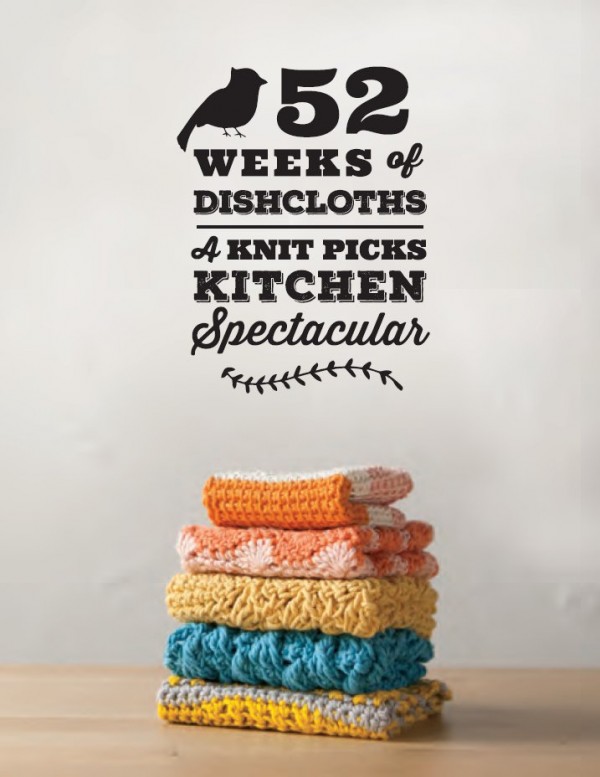
52 weeks of dishcloths

Congratulations to Carina, Anne L. and Annette!

I love knitting things that I know are going to get a lot of use. Sweaters are great, but even as always-cold as I am, they only get used for a pretty small portion of the year.

That’s why I like knitting things for the home that we can see and use throughout the year. From blankets to pillows to dishcloths, it’s just nicer to use things that you’ve made yourself, am I right?

This week I have three digital copies of a great book all about making dishcloths to give away. 52 Weeks of Dishcloths from Knit Picks actually has 60 patterns, 33 for knitters and 27 for crocheters. They range from pretty simple to requiring a few knitting skills like lace or colorwork, and they offer lots of different styles to suit your taste.

Dishcloths are fun to knit because you get to play with different techniques on a small scale but they’re still done relatively quickly, and they’re great to have on hand for a quick addition to a hostess or housewarming gift.

If you’d like to win one of these ebooks, leave a comment on this post before the end of the day Sunday, August 23. Why not tell me about something you’ve knit for your home or someone else’s home? My goal for the winter is to finally finish a big stash busting afghan I’ve been working on for a really long time.

Thanks for visiting, commenting and sharing, and good luck!
Next Pattern:

  • Book Review - 52 Weeks of Socks: Beautiful patterns…
  • Book Review - Dishcloths for Special Days
  • Review: Learn-a-Stitch Knit Dishcloths
«
»

Comments

  1. Jeanne Marie says

    August 18, 2015 at 9:20 am

    I love knitting dishcloths. They are quick projects–instant gratification!

  2. Vickie Joyce says

    August 18, 2015 at 9:27 am

    I loBe to knit dishcloths–both for my home and for others. Most recently, I made a stack of them for my new DDIL and had fun trying out new stitches and techniques.

  3. Vickie Joyce says

    August 18, 2015 at 9:31 am

    Could you please fix my typo above (love, not loBe)? And then delete this comment? Thank you!

  4. Rose says

    August 18, 2015 at 9:49 am

    I make dish cloths for Christmas and would live some new fun patterns!!!!

  5. Cheryl Gantz says

    August 18, 2015 at 10:35 am

    I’ve enjoyed making afghans, dish cloths and other things. This book would be great to help me teach my granddaughter knitting!

  6. Mary Helene says

    August 18, 2015 at 11:25 am

    Just finished a Christmas stocking for my new grand nephew.

  7. Stacey says

    August 18, 2015 at 11:33 am

    I make washcloths. I have a couple of really sturdy patterns but I also enjoy new patterns to learn new stitches.

  8. Stephanie S says

    August 18, 2015 at 11:40 am

    I’m only just learning to knit, but I crochet a ton. I’ve done afghans for several people in my family and am currently working on filet curtains for our new camper and Christmas stockings for my nieces.

  9. Deb says

    August 18, 2015 at 11:41 am

    I make dishcloths but really only know about two patterns. My family & friends would really appreciate a different style or two! Thanks for the give away! As always, it is such a kind thing to do!!!!

  10. Linda says

    August 18, 2015 at 11:41 am

    I love knitting and crocheting discloths and washcloths for our own home and as gifts. Nothing beats the satisfaction that comes from a quick and pretty project!

  11. Kat Keen says

    August 18, 2015 at 11:42 am

    I’ve never actually knitted before, only crocheted. Would love this!

  12. Karey says

    August 18, 2015 at 11:43 am

    I’ve made a few coaster sets as gifts for friends. They really like them!

  13. Carrie says

    August 18, 2015 at 11:58 am

    I’m in the process of knitting an afghan for myself. I’d love to be able to knit some dishcloths for myself and others! I have a ton of cotton yarn waiting to be used up!

  14. Cindy McIlvain says

    August 18, 2015 at 12:21 pm

    I am always looking for new and different patterns for wash cloths. My grand children love them!

  15. Patty Manders says

    August 18, 2015 at 12:40 pm

    I am gauge challenged so love knitting afghans–they fit everyone or someone:) Always!

    from summertime VT where I sit with fingers crossed,
    the Vermonster

  16. Terri Wade says

    August 18, 2015 at 12:59 pm

    My stash busting go to is lap robes and baby blankets. I lean towards simple stitches that I don’t have to think about. They give me the best zen meditation effects. I bet some of these dish clothes could be made larger for covering throw pillows!

  17. joyce says

    August 18, 2015 at 1:11 pm

    I love knitting dishcloths. I make them for myself and to give as gifts. I also make afghans and pillows.

  18. knittingnotecards says

    August 18, 2015 at 1:17 pm

    Who doesn’t like to knit a dishcloth? They are fun, great way to try a new stitch, useful and make a great gift for anyone.

  19. Lulu says

    August 18, 2015 at 1:29 pm

    What really happened is that I found a big roll of Tshirt yarn, so with 20 mm needles I made a rug for the bathroom. The bind off was a little bit tight but I crafted it up in just a couple of days! Instant gratification and a pretty view too!

  20. Karen Hamberg says

    August 18, 2015 at 2:20 pm

    I use the patterns to make wraps.

  21. Ellie says

    August 18, 2015 at 2:24 pm

    I’ve knit afghans, wash cloths and scrubbies, Christmas ornaments. Washcloths are nice to have as impromptu gifts or to do when in-between projects- and to learn new techniques.

  22. Katarina Kaneff says

    August 18, 2015 at 2:45 pm

    I would love a copy of this as I like to knit little projects like socks, and I’ve been spying on these patterns.

  23. Cindy DeSpain says

    August 18, 2015 at 3:01 pm

    This would be amazing! I love to crochet dish cloths. Years ago I did the knitted ones that had little pictures on them. So thanks for the chance to win this.

  24. Sandy says

    August 18, 2015 at 3:04 pm

    I just finished leggings and hand warmers for my daughter and granddaughter. Would love to work on dishcloths. i like to take my knitting with me when I travel.

  25. Mary Sue Owens says

    August 18, 2015 at 3:47 pm

    I have yarn for a dishcloth in my purse at all times because they are small enough to pull out and work on while I wait to pick up a child or any other “down” time. My favorite thing I have made was an afghan for our daughter that used all kinds of yarns…from ribbon yarn to chunky yarn. It was beautiful! :>) MS

  26. Cindy S says

    August 18, 2015 at 3:53 pm

    I’ve knit a couple of dish clothes. I like to mix cotton and tulle to make a sort of dishcloth/scrubbie.

  27. Annette Deardurff says

    August 18, 2015 at 4:07 pm

    My knitted washcloths are my favorite to use in the kitchen – even have them in my little pop up camper. It’s one of my favorite gifts to make because they’re so quick to work up and I know they’ll always get used! Thanks for the giveaway!

  28. Loy says

    August 18, 2015 at 4:42 pm

    I love knitting dishcloths, but the colors are always so prety that I end up using them as hotpads on my table first. Love all the infor I get from your site.

  29. Kathryn Burlingame says

    August 18, 2015 at 4:51 pm

    I love dishcloths. No matter what else I am working on I always seem to have a dishcloth going on the side. Folks love them!
    Always looking for a new pattern.

  30. kim says

    August 18, 2015 at 6:00 pm

    i love to give dishcloths with small bottles of dishsoap for gifts.
    This would be a great book to own, thank you so much for the chance.

  31. Pat morris says

    August 18, 2015 at 6:50 pm

    I’d love to have this book. I make a set of pot holders to give as a wishing well gift for every bridal shower I attend. I could definitely add some dish cloths to my to my roundup.

  32. Chris Murphy says

    August 18, 2015 at 7:05 pm

    I love knitting dishcloths! Just started working on a throw for our family room to coordinate with the knitted pillows.

  33. Lee says

    August 18, 2015 at 7:41 pm

    What a fun book this would be! I am working on a few hats right now but would love to make a more than a few dish cloths!

  34. Elizabeth Hummel says

    August 18, 2015 at 7:55 pm

    Awesome! I love knitting dishcloths! I am always knitting them and gifting them!

  35. Pamela Kifer says

    August 18, 2015 at 8:01 pm

    I would love to have a copy of this book so I could learn new things. I have knitted afgans, dish cloths & a baby blanket. This would be great book to have!

  36. Lesley Keller says

    August 18, 2015 at 9:14 pm

    Would love to win this book. Love to knit them!

  37. Pat says

    August 18, 2015 at 11:31 pm

    I like the nearly instant gratification of a dishcloth! I also like to use the patterns as afghan squares.

  38. Penny Lalik Parker says

    August 19, 2015 at 7:03 am

    I enjoy knitting and crocheting dishcloths and other items for hearth and home. Funny thing is, I’ve yet to keep anything I’ve made for myself other than a hat or two. Everyone I’ve ever given dishcloths to always ask for more because “you can’t find that quality anywhere.” Therefore, I am always trying to update my repertoire of patterns. I would love to receive one of the lovely books you’re giving away. My son just got married, and Christmas is coming!

  39. Janet A says

    August 19, 2015 at 7:39 am

    Learning to knit is on my bucket list. This book would provide the opportunity to learn with a small, quick project. Thanks so much and I hope I win.

  40. char venesky says

    August 19, 2015 at 1:03 pm

    you never have enough made, someone is always asking for some. there a fun and easy knit

  41. Megan says

    August 19, 2015 at 2:30 pm

    I’d love to make some pillow covers and another blanket for my house.

  42. Brenda Adkins says

    August 19, 2015 at 2:42 pm

    I am ready to start making things for Christmas! This would be a good way to start!

  43. Carmen N says

    August 19, 2015 at 11:05 pm

    I don’t often make afghans for others because I’m not sure how well received they will be, but dishcloths are a quick and simple gift that seem to be welcome and are a good break for me from bigger projects.

  44. Malgosia Colquhoun says

    August 20, 2015 at 2:25 am

    Thank you for offering this giveaway! I love giving away wash- and dishcloths (in sets of three, for example, perhaps with fancy soap). Many patterns can be easily adopted to make something bigger — a back scrubber or a towel, perhaps. Also, knitting dishcloths allows you to practice new stitches and techniques.

  45. LILLIAN says

    August 20, 2015 at 12:33 pm

    I do the loom knitting, but I would really love this for an elderly neighbor who knits practically 24/7 and gives it all away. Something like this would be perfect!

  46. Carolyn Morrissey says

    August 20, 2015 at 7:38 pm

    I’ve knit dishcloths, as well as vase covers and pillows. I’ve woven a blanket, but haven’t knit one yet. I’d gladly put that on the back burner if I had this book!

  47. Anne L says

    August 21, 2015 at 1:40 am

    As a relatively new knitter & crocheter this is a wonderful way of trying out new patterns and practicing. I would love to have a book like this to help me along – and add to my birthday & Christmas presents!!

  48. DJ says

    August 21, 2015 at 9:18 am

    I have knitted a nice table cloth/table runner for my home.

  49. Carina says

    August 22, 2015 at 8:30 pm

    I love knitting dishcloths and crocheting baskets for my home!

  50. patp51 says

    August 23, 2015 at 12:07 pm

    Thanks for offering this book for a giveaway! I love to crochet and am teaching myself to knit. I have learned new crochet techniques by making dish cloths which I have used in larger projects. I would love to win this book!

« Older Comments
Newer Comments »

Have you read?

How To Do Kitchener Stitch: A Beginner-Friendly Guide To Grafting Knitting Seamlessly

Kitchener stitch is one of those knitting techniques that feels a little bit mysterious until you finally sit down and do it. It is often used to close the toes of socks, but it is also a wonderfully neat way to join two sets of live stitches together without making a bulky seam.

If you have ever finished a beautiful sock and then paused at the toe because the pattern says “graft remaining stitches,” this is the tutorial you want to keep handy.

Kitchener stitch, also called grafting, creates a row of stitches between two pieces of knitting so the join looks almost invisible. Instead of binding off and sewing two edges together, you use a tapestry needle and yarn to form a new row of knitting between the live stitches.

It is one of the most useful finishing techniques for knitters, especially if you enjoy knitting socks, mittens, cowls, loop scarves, or garments where a smooth join matters.

You might also like this older CraftGossip post on grafting with Kitchener stitch, and if you want to go deeper into finishing techniques, this post on mastering grafting in knitting is another helpful read.

What Is Kitchener Stitch?

Kitchener stitch is a method of grafting two sets of live stitches together. The stitches stay on two needles, usually held parallel to each other, and you use a threaded tapestry needle to work through the stitches in a specific order.

When done well, the finished join looks like one continuous piece of knitting.

This is why Kitchener stitch is so popular for:

  • sock toes
  • mitten tips
  • shoulder joins
  • cowls
  • loop scarves
  • seamless tube projects
  • underarm stitches on some sweaters
  • small knitted bags and pouches

It is most commonly used on stockinette stitch, but grafting can also be adapted for other stitch patterns once you understand the basic idea.

Why Use Kitchener Stitch Instead Of Sewing A Seam?

The biggest benefit of Kitchener stitch is that it creates a smooth, almost invisible join. That matters most in places where you do not want a bulky seam, such as the toe of a sock.

A sewn seam across a sock toe can feel uncomfortable inside a shoe. Kitchener stitch avoids that by creating a flat, flexible finish.

It also gives knitted items a more polished look. If you are making gifts, charity knits, socks, or heirloom-style projects, learning this one technique can make your finished pieces look much neater.

For knitters who enjoy socks, you may also like this roundup of knitting patterns using sock yarn, especially if you have leftover yarn after finishing a pair.

Supplies You Need

To work Kitchener stitch, you will need:

  • two knitting needles holding live stitches
  • a tapestry needle or darning needle
  • yarn tail or matching yarn
  • scissors
  • good lighting
  • a little patience the first time

If you are working sock toes, most patterns will tell you how many stitches to leave on each needle before grafting.

As a general guide, leave a yarn tail at least three times the width of the stitches you are grafting. If you are unsure, leave a little extra. It is much easier to weave in a longer tail than to run out halfway across.

A blunt-tip tapestry needle is easier to control than a sharp sewing needle because it slides between yarn strands without splitting them as much. You can find tapestry needles, sock knitting tools, stitch markers, and finishing supplies through places such as Amazon, Mary Maxim, or your favorite local yarn store.

Before You Start: Set Up Your Stitches

For standard Kitchener stitch on stockinette:

Hold the two needles parallel, with the wrong sides of the knitting facing each other.

The right side of the knitting should be facing out.

The needle closest to you is the front needle.

The needle farther away from you is the back needle.

Thread your yarn tail onto a tapestry needle.

Try to keep the stitches sitting neatly on the needles and avoid twisting them before you begin.

The Kitchener Stitch Mantra

Many knitters remember Kitchener stitch with this little rhythm:

Front needle: knit off, purl on.
Back needle: purl off, knit on.

That means:

On the front needle, go into the first stitch knitwise and take it off. Then go into the next stitch purlwise and leave it on.

On the back needle, go into the first stitch purlwise and take it off. Then go into the next stitch knitwise and leave it on.

Once you get into the rhythm, it becomes much less intimidating.

Kitchener Stitch Step-By-Step

Setup Step 1

Insert the tapestry needle into the first stitch on the front needle as if to purl.

Pull the yarn through.

Leave the stitch on the knitting needle.

Setup Step 2

Insert the tapestry needle into the first stitch on the back needle as if to knit.

Pull the yarn through.

Leave the stitch on the knitting needle.

Now you are ready to begin the repeating sequence.

Step 1: Front Needle, Knitwise, Off

Insert the tapestry needle into the first stitch on the front needle as if to knit.

Pull the yarn through.

Slip that stitch off the knitting needle.

Step 2: Front Needle, Purlwise, On

Insert the tapestry needle into the next stitch on the front needle as if to purl.

Pull the yarn through.

Leave that stitch on the knitting needle.

Step 3: Back Needle, Purlwise, Off

Insert the tapestry needle into the first stitch on the back needle as if to purl.

Pull the yarn through.

Slip that stitch off the knitting needle.

Step 4: Back Needle, Knitwise, On

Insert the tapestry needle into the next stitch on the back needle as if to knit.

Pull the yarn through.

Leave that stitch on the knitting needle.

Repeat these four steps until all stitches have been grafted.

A Simple Way To Remember It

Say this out loud as you work:

Knit off, purl on.
Purl off, knit on.

It feels silly the first few times, but it works. Many knitters mutter this little phrase while closing sock toes, and honestly, anything that helps you avoid losing your place is worth doing.

How Tight Should Kitchener Stitch Be?

One of the most common mistakes with Kitchener stitch is pulling the yarn too tightly.

You are not sewing a seam closed. You are creating a new row of knitting.

After every few stitches, gently adjust the tension so the grafted row matches the surrounding stitches. If you pull too tightly, the join may pucker. If you leave it too loose, the grafted row may look stretched out.

A good trick is to look at the stitches beside the graft and try to match their size.

Do not panic if it looks a little uneven while it is still on the needles. Kitchener stitch often looks better once everything is off the needles and the tension has been gently adjusted.

How To Finish The Last Stitches

When you get to the final stitches, continue the sequence as closely as possible.

If there is only one stitch left on a needle, work the “off” part of the sequence for that stitch.

Pull the yarn through gently and then weave the tail into the inside or wrong side of the project.

For socks, weave the end into the inside of the toe so it will not be visible.

Troubleshooting Kitchener Stitch

My graft looks too tight

You probably pulled the yarn too firmly as you worked. Use the tip of your tapestry needle to gently loosen each grafted stitch, working from one side to the other.

My graft looks loose

Gently snug up the grafted stitches one at a time. Do not yank the working yarn all at once, as this can make one area tight and another loose.

I lost my place

Pause and look at the stitches. If the last stitch was removed from the front needle, you are probably ready to work the “purl on” part on the front needle or move to the back needle. If you are a beginner, it helps to say the mantra out loud every single time.

I split the yarn

A blunt tapestry needle helps prevent splitting. If a stitch looks split and messy, carefully undo that part before continuing.

The join looks like a seam, not a row of knitting

This usually means the tension is too tight or the needle was inserted in the wrong direction on some stitches. Practice on a swatch before using Kitchener stitch on a special project.

Practice Before Grafting A Real Project

If Kitchener stitch makes you nervous, knit two small stockinette swatches and place the live stitches on two needles. Use a contrasting yarn to practice grafting across the stitches.

Practicing with a different color makes it easier to see what the grafted row is doing. Once you understand the movement, try again with matching yarn.

This is especially useful before grafting handmade socks, because sock toes are small and can feel fiddly the first few times.

When Else Can You Use Kitchener Stitch?

Kitchener stitch is most famous for sock toes, but it is helpful in many other knitting projects.

Use it for joining the ends of a cowl or loop scarf, especially when you start with a provisional cast on. This CraftGossip post on making loop scarves from stash yarn mentions using a provisional cast on so the ends can be grafted together neatly.

You can also use Kitchener stitch for small bags, seamless headbands, mitten tips, and some garment joins.

If you are brushing up on knitting basics, this post on favorite ways to cast on is a good companion read, especially if you are learning how different beginnings and endings affect the finish of a project.

Kitchener Stitch For Sock Knitters

If you knit socks from the cuff down, Kitchener stitch is one of the most useful finishing techniques you can learn.

Most cuff-down sock patterns end with a small number of stitches divided between two needles. Kitchener stitch closes those stitches without creating a ridge across the toe.

For a comfortable sock toe:

Keep the stitches evenly divided.

Do not pull the graft too tightly.

Check that the toe lies flat before weaving in the end.

Use matching yarn whenever possible.

Once the sock is finished, blocking can also help smooth the stitches and even out the graft.

If you enjoy knitting small accessories, you might also like these easy headband knitting patterns, which are great projects for practicing finishing techniques on something smaller than a sweater.

Kitchener stitch has a reputation for being tricky, but it is really just a short sequence repeated across two needles. Once you remember the rhythm — knit off, purl on, purl off, knit on — it becomes much easier.

The real secret is to slow down, keep your tension relaxed, and remember that you are creating a row of knitting, not stitching a seam shut.

It may not feel natural the first time, but after a few sock toes or practice swatches, Kitchener stitch becomes one of those finishing skills you will be glad to have in your knitting toolkit.

Categories

baby hat Baby Patterns Beginner Book Reviews cardigan Christmas CraftGossip Giveaways Craft News and Events Free Knitting Patterns Giveaways! Hats Knitting Articles Of Interest Knitting Patterns Knitting Technique & Ideas mittens Quick scarf shawl patterns socks Sweaters

Featured Posts

Crockpot Dyeing – A Kind of Tutorial….

The New Little Black Dress

Ideas! Sock Yarn – More Than Just Socks!

Knitting Circles Around Socks ..Book Review

Inmates at one prison in Brazil knit for a fashion designer for reduced sentences.

KnitBits: Prison Knitting in Brazil, Tighter Ribbing and More Fun with Knitting

RSS More Articles

  • Cross Stitch Ice Cream and Frozen Treats
  • 15 Charity Sewing Projects That Let You Sew Something Useful For A Good Cause
  • Sunflower Ribbon Embroidery Tutorials and Kits to Brighten Your Hoop
  • Decorating Mistakes That Make Your Living Room Feel Cluttered
  • Remembering Jill Smokler, Founder Of Scary Mommy
  • In the Garden Layer Cake – A Bloom-Filled Fabric Collection for Spring Sewing
  • How To Do Kitchener Stitch: A Beginner-Friendly Guide To Grafting Knitting Seamlessly
  • Pattern Review: Georgie Granny Square Bucket Hat Crochet Pattern
  • 12 Handmade Patriotic 4th of July Card Ideas
  • Shark Week Learning for Kids

Pick Your Blog

  • Sewing
  • Knitting
  • Quilting
  • Crochet
  • Home & Garden
  • Recycled Crafts
  • Scrapbooking
  • Card Making
  • Polymer Clay
  • Cross-Stitch
  • Edible Crafts
  • Felting
  • Glass Art
  • Indie Crafts
  • Kids Crafts
  • Jewelry Making
  • Lesson Plans
  • Needlework
  • Bath & Body
  • Party Ideas
  • Candle Making
  • DIY Weddings
  • Not Craft
  • Free Craft Projects

Copyright © 2026 · CraftGossip | Start Here | Contact Us | Link to Us | Your Editors | Privacy and affiliate policy