• Home
  • Suggest A DIY
  • DIY Newsletter

Knitting

Free Patterns, Tutorials and Project Ideas

  • About CraftGossip
  • Our Network
    • Bath & Body Crafts
    • Candle Making Ideas
    • Crochet Ideas
    • Cross Stitch
    • Edible Crafts
    • Felting Patterns
    • Glass Art
    • Home & Garden Ideas
    • Indie Crafts
    • Jewelry Making
    • Kids Crafts
    • Knitting Patterns
    • Lesson Plans
    • Needlework
    • Party Ideas
    • Polymer Clay
    • Quilting Ideas
    • Recycled Crafts
    • Scrapbooking
    • Sewing Patterns
    • Card Making
    • DIY Weddings
    • Not Craft Ideas
  • Giveaways
  • Roundups
  • Store
  • Search

Giveaway: 75 Floral Blocks to Knit

August 15, 2016 by Sarah White

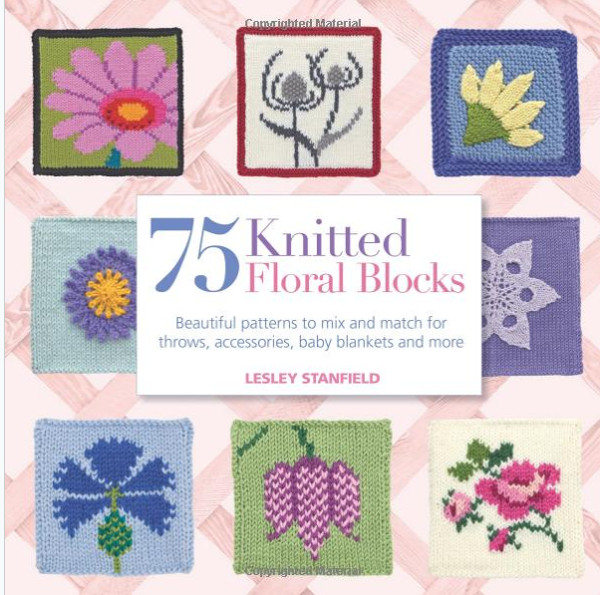
75 floral blocks to knit giveaway

Congrats to C. Allen!

This week I’ve got another giveaway from my archive of knitting books, 75 Floral Blocks to Knit by Lesley Stanfield. As the title says, this book is full of blocks — squares as well as other shapes — that include flower motifs, whether in lace or colorwork, stitched as part of the block or appliqued on top.

It’s a fun collection if you like to make patchwork blankets for babies or other people, or use them for pillows, to embellish pockets on sweaters, or any other way you like.

For a chance to win this book, leave a comment on this post before the end of the day Sunday, Aug. 21. I’d love to know what your favorite flower is. Mine: zinnias.

Thanks for visiting, commenting and sharing, and good luck!

Save
«
»

Comments

  1. Karin wanserski says

    August 15, 2016 at 9:15 am

    Dahlias

  2. Jess Canzoneri says

    August 15, 2016 at 9:48 am

    This book looks so beautiful! My grandma, who taught me to knit, makes blankets out of little squares. So beautiful! I would love this book.

  3. Jonquil says

    August 15, 2016 at 9:57 am

    Such an interesting book. My favorite are peonies (heady scent, soft petals, lush colors)! Second ate dahlias (they remind me of ladies in ball gowns).

  4. C Allen says

    August 15, 2016 at 10:14 am

    My favorite flower-snapdragon.

  5. Flo says

    August 15, 2016 at 10:34 am

    My favorite flowers are roses………Thanks so much for the chance to win this awesome book!

  6. yolanda says

    August 15, 2016 at 10:44 am

    My favorite flowers are Lilacs.

  7. Judy Prachnau says

    August 15, 2016 at 11:05 am

    Hi I enjoy these emails, my favourite flowers are lilacs. The smell is soo awesome. Judy.

  8. Sylvia says

    August 15, 2016 at 11:36 am

    I love carnations.

  9. spierssusan says

    August 15, 2016 at 11:48 am

    Love hibiscus-so many colors-beautiful & big!

  10. Barbara Grenier says

    August 15, 2016 at 12:30 pm

    Love Magnolias.

  11. Maxine Miller says

    August 15, 2016 at 12:53 pm

    I love all flowers, but I have to say the rose is my favorite.

  12. Ruth says

    August 15, 2016 at 1:08 pm

    Tulips are my favorite flowers. The floral blocks are beautiful. Thank you for this opportunity!

  13. char venesky says

    August 15, 2016 at 1:08 pm

    wow“what a great imagination that was used on these patterns. what next“

  14. Jaime says

    August 15, 2016 at 1:44 pm

    I love carnations.

  15. mccandlessquilts-aka Pam McCandless says

    August 15, 2016 at 1:56 pm

    I love every flower, I am partial to some, some every one from the absolute smallest to the biggest ones are all gorgeous and to be appreciated!
    I would definitely be inspired to become a better knitter with this book!

  16. Duane says

    August 15, 2016 at 2:24 pm

    My favorites are peonies!

  17. Cindy S says

    August 15, 2016 at 2:35 pm

    These are beautifully knitted. My favorite flower is peony. I just wish they bloomed longer in the Spring.

  18. Ofelia says

    August 15, 2016 at 4:54 pm

    I love lavender, does it counts as a flower?
    Well, I also love roses…but all flowers are beautiful as well.
    Thank you for the giveaway.

  19. joyce hancock says

    August 15, 2016 at 5:07 pm

    My favorite flower is lilacs. This looks like a fun book to have and use.

  20. Pam says

    August 15, 2016 at 5:17 pm

    Lily of the valley and stargazer lilies

  21. Dina says

    August 15, 2016 at 5:36 pm

    Peonies.

  22. Melody J says

    August 15, 2016 at 6:03 pm

    I like roses.

  23. Ann Green says

    August 15, 2016 at 6:35 pm

    Gerbera Daisies! thank you for the giveaway, it is a great prize!

  24. jo says

    August 15, 2016 at 10:17 pm

    LOVE this!!!

  25. Karey says

    August 15, 2016 at 10:44 pm

    My favorite flower is hibiscus – so tropical!

  26. Judith R. says

    August 16, 2016 at 7:46 am

    Carnations!

  27. lindarumsey says

    August 16, 2016 at 8:32 am

    I love poppies – so delicate!

  28. Sally says

    August 16, 2016 at 10:18 pm

    I have three… They are my daughter’s middle names, I like them so much 🙂

    Rose
    Iris
    Lily

  29. Julie Nish says

    August 17, 2016 at 12:09 pm

    Love love peonies

  30. Mary Ann says

    August 17, 2016 at 7:11 pm

    So Love flowers,would love this book

  31. Margay Roberge says

    August 18, 2016 at 11:52 am

    Roses are my ultimate favorite but I also love Bleeding Hearts, azaleas and hydrangeas.

  32. Kim Reid says

    August 18, 2016 at 6:55 pm

    My favorite flower is the stargazer lily, thanks!

  33. Holly says

    August 19, 2016 at 8:11 am

    My favorite flower is a lily!

  34. Sheila Muldrew says

    September 7, 2016 at 10:59 am

    I love many flowers but lilies are my favorite. Beautiful, hardy, and easy to grow.

Have you read?

Easy Shadow Knitting Squares To Join Into A Blanket

Shadow knitting squares are such a clever way to learn illusion knitting without jumping straight into one enormous hidden-image blanket.

Instead of casting on hundreds of stitches and hoping your colour contrast works, you can start with one small square. Each square teaches you something useful: how the ridges behave, how the hidden design appears from the side, and how much contrast your yarn really needs.

Once you have a pile of squares, you can join them into a blanket, cushion cover, wall hanging or patchwork-style throw.

It is practical, stash-friendly and just a little bit addictive — which is exactly how half the project baskets in my craft room came into existence.

Shadow knitting, also called illusion knitting, uses two contrasting colours and simple knit and purl stitches to create raised ridges. From the front, the knitting often looks like stripes. From the side, the hidden design appears. If you are new to the technique, start with our guide to what shadow knitting is and how illusion knitting works.

Why Knit Shadow Knitting Squares First?

A square is much less intimidating than a full blanket. You still practise the important parts of illusion knitting — colour changes, row counting, reading a chart or written rows, and keeping your texture neat — but each block finishes quickly enough to keep you motivated.

Small squares are also brilliant for testing yarn colours. Shadow knitting needs clear contrast. If your yarns are too close in value, the hidden design can disappear a little too successfully, which is not quite the magic we are aiming for.

If a test square works, you can make more. If it does not, congratulations, you have made a washcloth. No drama, no wasted effort.

For smaller starter projects before moving into blanket blocks, have a look at our roundup of free shadow knitting dishcloth patterns.

A Quick Note About Skill Level

These square patterns are beginner-friendly for learning shadow knitting, but they are not necessarily for absolute beginner knitters.

You will want to be comfortable with knit and purl stitches, changing colours at the edge, counting rows and following either a chart or written instructions. The stitches are usually simple. The trick is paying attention.

If you have already tried a small practice project from our beginner shadow knitting patterns, these squares are a lovely next step.

Free Shadow Knitting Squares And Blocks For Blanket Making

Shadow Magic

This free pattern by Frankie Brown is one of the best square-based shadow knitting projects to start with. The design creates clever “magic squares” with their own shadows, giving the impression that the colours are floating above the surface.

The designer originally used the squares for a cushion cover, but they can also be joined into a blanket or used for a bag. That makes this a very flexible project if you want to learn the technique one block at a time.

I like this one because it feels like a real project rather than just a practice swatch. You can play with colour placement, make a few squares at a time, and slowly build toward something larger.

Illusion Stripes

This free Steve Plummer pattern is a simple introduction to illusion knitting and can be used as a washcloth or afghan block. It strips the technique right back to the basics so you can see how the ridges and viewing angle create the effect.

This is not a picture motif, and that is exactly why it is useful. From the front, it looks like narrow stripes. From the side, the illusion becomes clearer.

If you are planning a sampler-style blanket, this would make a great starter square or filler block between more detailed motifs.

Illusion Cubes

This free geometric illusion pattern creates a cube effect and can be used as a washcloth, afghan block or part of a larger design. It is a great choice if you prefer modern, graphic knitting over hearts, animals or seasonal motifs.

A blanket made from cube squares could look very striking in black and white, navy and cream, charcoal and pale grey, or a controlled palette with one surprise colour.

This is also a nice step up from simple stripes because it still feels structured and readable without becoming overly complicated.

Illusion Windmills

This free pattern uses directional ridges to create a windmill effect when viewed from an angle. It can be used as an afghan block, washcloth or part of a larger project.

Windmill squares are especially fun for blanket making because you can rotate them as you join. That creates movement across the finished blanket and gives the project a more dynamic optical effect.

I would try one simple illusion square before this one, just so the basic shadow knitting rhythm makes sense before you start playing with direction.

Illusion Squares In Squares

This free Steve Plummer design creates a square-within-a-square effect and works well as an afghan block or washcloth. The sample is around 22 cm square when worked in DK yarn, which makes it a practical size for planning a block-based blanket.

This is a good pattern if you want something geometric but a little softer than cubes or checkerboards. The smaller squares appear differently depending on the viewing angle, which gives the finished block that lovely illusion-knitting surprise.

Several of these joined together would make a very modern throw.

Illusion Three Colour Squares

This free pattern adds a third colour to the illusion square idea, creating extra interest while still keeping the block format manageable. It can be used as a washcloth, garment panel or afghan block.

This one is a good option once you understand basic two-colour shadow knitting and want to play a little more with colour placement. I would make a test block before committing to a full blanket layout, just to see how your chosen shades behave together.

Used sparingly, these blocks could become feature squares in a mostly two-colour blanket.

Illusion Checkerboard

This free checkerboard-style illusion pattern can be used as a washcloth, garment panel or afghan block. Checkerboard designs are especially good for blanket making because they feel clean, graphic and easy to repeat.

This would be a strong choice for knitters who want a modern illusion blanket without a cute picture motif. You could make all the squares in the same two colours for a bold contemporary throw, or alternate colour pairs for a more scrappy patchwork look.

It is also a good pattern for practising how direction changes affect the finished illusion.

Illusion Disappearing Colour

This free square pattern plays with the idea of colour appearing and disappearing depending on the viewing angle. It can be used as a washcloth or incorporated into larger projects, including afghan-style layouts.

This is a lovely choice if you want the finished blanket to feel more like an optical illusion than a hidden-picture project. It would work especially well in a limited palette where the shifting effect can do the talking.

I’d use this as a feature block among simpler stripes or checkerboard squares.

Illusion Mitres 1

This free pattern combines illusion knitting with mitred square construction. It can be used as an afghan block, washcloth or garment piece.

Mitred squares already have a satisfying sense of movement, and adding shadow knitting makes them even more interesting. This would suit knitters who enjoy modular construction and do not mind paying attention to direction.

A blanket made with mitred illusion squares would have a wonderful patchwork feel.

Illusion Mitres 2

This second free mitred illusion square works beautifully as a companion to the first version. It can also be used as an afghan block, washcloth or garment panel.

If you are planning a sampler blanket, alternating Mitres 1 and Mitres 2 would give the finished piece a cohesive but varied look. You could also use these blocks as feature squares between simpler illusion stripes.

This one is best after you have tried at least one straightforward illusion square.

Butterfly Illusion

This free illusion knitting motif is designed as an afghan block, pillow front or washcloth. The butterfly design gives you a softer, more decorative option if you want a few picture motifs among your geometric squares.

A butterfly square would be lovely in a baby blanket, spring-themed throw or garden-inspired project. I would mix it with simpler blocks so the finished blanket does not feel too busy.

This is a good reminder that a shadow knitting blanket does not have to be all stripes and cubes. A few feature motifs can make it feel personal.

Direwolf Illusion

This free shadow knitting motif is more of a statement block than a simple practice square. The designer describes illusion knitting as a simple but effective method using basic knit stitches, but the motif itself is more detailed than stripes or cubes.

I would use this as a centre square, cushion front or feature panel rather than repeating it across an entire blanket. It has strong gift potential for fantasy fans, especially when framed by simpler blocks.

This is one to save for after you understand how shadow knitting charts behave.

How To Turn Shadow Knitting Squares Into A Blanket

The easiest way is to choose one square size and stick to it. Make one sample block, lightly block it, then measure the finished size before planning your blanket.

For a baby blanket, you could use 9 larger squares in a 3 x 3 layout or 16 smaller squares in a 4 x 4 layout. For a throw blanket, you might make 25 squares in a 5 x 5 layout or create a longer rectangle with 4 x 6 blocks.

Try to keep your yarn weight consistent. If one block is DK cotton and another is worsted wool, joining everything neatly will become far more annoying than it needs to be.

You can also alternate shadow knitting squares with plain garter stitch squares. This gives the eye somewhere to rest and makes the blanket faster to finish. It also means every single square does not need to be a chart-following adventure.

Joining Ideas For Shadow Knitting Squares

You can seam the squares with mattress stitch for a neat knitted finish, crochet them together if you like a visible ridge, or pick up stitches along the edges and knit joining strips between blocks.

A garter stitch border around each square can make joining easier. It also helps the blanket sit flatter, which is useful because illusion knitting depends on raised ridges and can sometimes curl or ripple.

Before joining, lay all your squares on the floor or a bed and look at them from different angles. Some illusion squares change depending on direction, so rotating a block can completely change the finished effect.

Take a photo of the layout before you start seaming. Ask me how many times I have thought, “I’ll remember this arrangement,” and then absolutely did not.

Colour Tips For A Shadow Knitting Square Blanket

For the strongest illusion effect, choose one light colour and one dark colour for each square. Cream and navy, white and charcoal, pale grey and black, blush and burgundy, or soft yellow and deep teal all work well.

If you want a cohesive blanket, keep one colour the same across every block and change only the second colour. For example, use cream as the main colour and rotate through navy, green, plum, rust and charcoal.

For a scrappy version, use different contrast pairs in each block but keep the same yarn weight and fibre type. This gives you that joyful patchwork feeling without losing the illusion effect.

If you are unsure whether two colours will work, take a quick photo and turn it black and white. If the colours still look different, they should have enough contrast.

What To Knit First

If you are brand new to shadow knitting squares, start with Illusion Stripes or Illusion Cubes. They are simple, geometric and useful for understanding how the technique behaves.

If you want a proper blanket-building project, try Shadow Magic because the squares are designed to work well as joined pieces.

Once you are comfortable, add a few feature motifs like Butterfly Illusion or Direwolf Illusion. Then mix them with stripes, cubes, checkerboards and mitred blocks for a blanket that feels clever without becoming overwhelming.

For full-size projects, browse our free shadow knitting blanket patterns. If you prefer wearable hidden-image projects, you may also enjoy our shadow knitting shawl roundup or the earlier shadow knitting scarf roundup.

And if you want a deeper dive into the history and technique, our Shadow Knitting book review is a good companion read.

Categories

Afghans, Blankets, Throws baby hat Baby Patterns Beginner Book Reviews cardigans Christmas Craft News and Events Free Knitting Patterns Giveaways! Hats and Beanies Knit Knitting Patterns Knitting Technique & Tutorials mittens Quick Knits scarf shawl patterns socks Sweaters

RSS More Articles

  • Sensory Fun and Learning with Ice Cream Inspired Activities
  • Easy Shadow Knitting Squares To Join Into A Blanket
  • DIY Bath Soak To Help Remove Fake Tan – A Simple At-Home Fix For Orange Hands And Streaky Skin
  • 10+ Trendy FREE Faux Postage Digital Downloads
  • Easy Ways to Fancy Up Your Biscornu
  • Best Handmade Earrings To Sell At Craft Markets
  • How to Sew a Bubble Hem Skirt: The Puffball Skirt Trend Made Wearable
  • Book Review: Circular Knitting for Beginners and Beyond
  • 12 Scrapbook Layouts with Scalloped and Lacy Details
  • Christmas Craft Ideas To Sell: Start Making One Project A Week Now And Be Ready By November

Pick Your Blog

  • Sewing
  • Knitting
  • Quilting
  • Crochet
  • Home & Garden
  • Recycled Crafts
  • Scrapbooking
  • Card Making
  • Polymer Clay
  • Cross-Stitch
  • Edible Crafts
  • Felting
  • Glass Art
  • Indie Crafts
  • Kids Crafts
  • Jewelry Making
  • Lesson Plans
  • Needlework
  • Bath & Body
  • Party Ideas
  • Candle Making
  • DIY Weddings
  • Not Craft
  • Free Craft Projects

Copyright © 2026 · CraftGossip | Start Here | Contact Us | Link to Us | Your Editors | Privacy and affiliate policy