• Home
  • Suggest A DIY
  • DIY Newsletter

Knitting

Free Patterns, Tutorials and Project Ideas

  • About CraftGossip
  • Our Network
    • Bath & Body Crafts
    • Candle Making Ideas
    • Crochet Ideas
    • Cross Stitch
    • Edible Crafts
    • Felting Patterns
    • Glass Art
    • Home & Garden Ideas
    • Indie Crafts
    • Jewelry Making
    • Kids Crafts
    • Knitting Patterns
    • Lesson Plans
    • Needlework
    • Party Ideas
    • Polymer Clay
    • Quilting Ideas
    • Recycled Crafts
    • Scrapbooking
    • Sewing Patterns
    • Card Making
    • DIY Weddings
    • Not Craft Ideas
  • Giveaways
  • Roundups
  • Store
  • Search

Giveaway – Are You Ready For It?????

August 13, 2010 by Terrye

NORTHERN KNITS!!!!!

The one and only Northern Knits, from Interweave.

We’ve been having kind of a tough week (nothing serious, don’t worry), so here’s what we’re going to do. Tell me a story, a funny story, to make me laugh, about knitting, or other fiber related ridiculousness. The comment that makes me LMAO the most will win the book. You have until next Friday, the 20th of August.

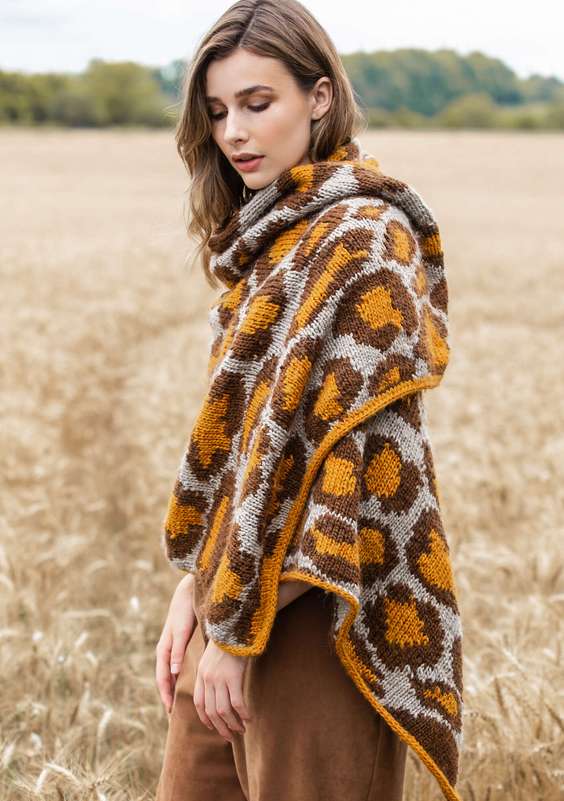
Journey with textile and knitwear designer Lucinda Guy to some of the most cherished historical regions for handicrafts, folk art, and knitting with Northern Knits. Throughout this inspiring book, Lucinda reveals the rich beauty of Swedish, Norwegian, Icelandic, and Shetland folk motifs and traditions in 20 gorgeous women’s clothing and accessories projects.

From knitting in the round and twined knitting to embroidery and embellishments, each stunning project embraces the traditional techniques that knitters have treasured through the years.

If you want more info on this VERY COOL book, hop on over to Interweave’s Site
Ready, Set, Go……..!

Next Pattern:

  • A Knit Vest to Get You Ready for Summer
  • This Long Cardigan Will Help You Get Ready for Fall
  • A Fuzzy Vest to Get Ready for Fall
«
»

Comments

  1. Tif says

    August 13, 2010 at 3:11 pm

    Okay, here’s my story: 🙂

    When my son was 10 wanted to be a clone from Star Wars for Halloween. He had a costume we got from a friend but he still needed a mask. So one night he was hounding me to go get him a mask. So I said, “I have a great idea Logan! I’ll knit you a mask!”

    He tried as hard as he could to nicely say NO WAY MOM ARE YOU CRAZY?!? Then later I was knitting (a white hat that certainly could have been mistaken for a Clone mask) and he said–with real fear in his voice– “Uh, mom, you weren’t serious about knitting the mask, right?”

    It is so fun to mess with that kid! 🙂

  2. turtle says

    August 13, 2010 at 7:58 pm

    Hubby says i do not really hear sometimes when i talk, i on the other hand think i tend to say things that can be interpreted in a “dirty” way without intending to… and not always clueing in quickly enough. Picture my daughter, then 2, at the zoo with hubby and in-laws. Watching the polar bears playing with these large rubber red balls. My daughter is being held up and i am saying, look they’re playing with their balls, red balls! Of course i say this a few times over as she points saying Look! Hubby keeps nudging me asking me to shush, huh?? why?? So i say it again. By this time the group of guys standing near us lose it laughing aloud, even my tame minded mother in law loses it. Hubby just shakes his head and i finally know why, blushing… i mean what else can i say by that time? Every trip to the zoo i am reminded by them of that incident. Polar bears playing with their red balls.

  3. turtle says

    August 13, 2010 at 8:00 pm

    not truly fiber related unless you could spin polar bear fur into a sweet fiber! You could dye it red!

  4. Kristin says

    August 13, 2010 at 10:10 pm

    I first started knitting the first Christmas after my husband and I were married. My husband, who even still after six years and 2 babies in 2 years, almost always has certain things on the brain, nicknamed my point protectors “needle condoms.”

  5. Mimi says

    August 14, 2010 at 7:30 am

    My mom was an avid knitter and one evening as she got up from her chair in the living room a very freak event happened… one of her knitting needles somehow managed to get implanted deeply into the top of her foot! It was funny but scary too. We were both stunned wondering what do we do now??!!

  6. Jennifer says

    August 14, 2010 at 7:33 am

    My husband and I were visiting friends recently, and my girlfriend and I were enjoying knitting together while the boys played video games. We were happily chatting about cool fiber we’d come across recently (bison yarn, etc), and my friend mentioned she’d recently seen some yarn that was gorgeous, but $75 a skein. Without looking up from his game, my husband deadpans “What was it made of? Mithril?” We all laughed hysterically.

    I’ll let you decide which is funnier: the joke itself, or the fact that 4 grown people a) got a Lord of the Rings joke and b) thought it was so funny. =0)

  7. Jane T in NW Louisiana says

    August 14, 2010 at 12:18 pm

    My mother is a knitter. I wanted to learn so she picked out a pattern for each of us and bought the yarn. Both patterns and yarn were the same. It was a simple sweater – one for my oldest brother and one for my boyfriend. We knit, I ripped, we knit, I ripped. The sweaters were finally finished and I thought they were gorgeous. My boyfriend had a football players body – bulky and large. He put the sweater on and it could have held the entire football team. My brother put his on and it could have held his entire sophomore class. My boyfriend ended up with both of them and probably used them for a blanket on his bed. I still laugh thinking about the gargantuan size of those sweaters. My mom said something had to be wrong with the pattern as she had been knitting all of her life and had never run into anything like that before or since. 🙂

  8. Kitten With A Whiplash says

    August 14, 2010 at 4:01 pm

    Speaking of Pink Gin… remember that time I took a class in dyeing yarn with food coloring?

    I was a half hour early, and a group of 4 ladies arrived at the same time I did. Each carried a bag from a local supermarket, where they’d stopped off to buy their food coloring on the way to class – you know, a package of 4 little squeeze bottles totaling 1 oz. at a cost of about $5 – for each lady!

    I quickly told them not to open the packages as I pulled out my supplies – 12oz bottles of red and blue, plus 32 oz. of yellow food colorings from the local restaurant supply store. Each bottle cost me $3.75 or less. I dye yarn every once in a while, so I save money getting the large bottles. I said I would be happy to share as I probably had enough for the whole class! They could use mine and get their money back on theirs.

    They felt that wasn’t right, they should pay for their own supplies. SO, all four put their coloring back in their bags, and headed out the door. I felt so bad, thinking they were somehow insulted or angry with me.

    I was delighted when they showed up about 5 minutes before class. They’d returned the overpriced stuff to the supermarket and gone to the store I’d told them about. I figured they probably each bought one color, and split the cost that way. Nope, each had bought a full set. So there we were, with about two and a half gallons of food color, to dye about a dozen skeins of yarn.

    We laughed and had a great time. Then came clean up time, and then leaving time. The four ladies left together, and about ten minutes later I noticed – they’d forgotten their food coloring!

    The teacher had a cell number from one of their class sign-up sheets, so she gave it a call. “Oh, let Kitten keep them, he was so sweet offering to share!”

    Honey, would you like a Blue Ice Cube for your Orange Vodka? Some Green Milk to go with your Purple Omelette and Red Hash Browns? For Desert we have Rainbow Cake with Rainbow Icing.

  9. Jeanne says

    August 14, 2010 at 4:17 pm

    I should tell you about the new display scheme at the county fair this year… it might wind up being a “you would get it if you were there” story but here goes…

    Each year the number of entries in the fiber arts category of the fair grows. In years past for an unknown reason, the spinners and weavers were separate from the knitters, crocheters, quilters and sewers. This year the deciders at the fair put all the fiber arts into one building – that previously housed only the knitters, etc. Now all the displays are very confused. Giant quilts used as space dividers and displays set up with no discernible theme. You couldn’t see 1st, 2nd and 3rd of any group or class on one table or on one wall. Furthermore, they thought that it might be nice and rustic to display the weaving and lace on branches with twigs – so the lace and finely woven items have pokes through them.
    I guess this isn’t funny, but I’m starting to think I need to apply for a job with the fiber arts display group to stop this nonsense.

  10. Elizabeth Starr Lilly says

    August 15, 2010 at 11:19 am

    Once my Uncle Charlie was sewing a costume and somehow managed to get the needle complete jammed into his thumb. My grandmom helped him detach it from the machine and as they were driving off to the hospital to get it removed, my aunt ran out the front door shouting “make sure you get the needle back from the doctor — it’s the only one we have!”

  11. Brooke says

    August 15, 2010 at 7:33 pm

    Some of these are really funny, but I do really want this book, so here we go:

    So, a few years ago I started knitting again after a long hiatus. A friend had recently had a new baby and I wanted to make a hat and booties set for him. Keep in mind, this would be my first hat and booties, ever as well as my first anything for a baby (I was not yet a mother and had spent very little time around infants). So, I’m sure you see where this is going, my scale was off, but of course I didn’t really know it. Both my husband and I thought it was a cute little set and gave it to my friend for her baby. She sent a very sweet thank you card with a picture of her 6′-2″ husband wearing the hat, quite comfortably, and the booties stretched out like mittens on his hands. “Brad (said husband) sure does love his hat! Henry (said baby) would love one HIS size to match!”

  12. One Sheep says

    August 16, 2010 at 4:35 pm

    Gee, I used my best material on another post here. All I can think of right now, is when I was going to make Mom a poncho. I was about 7, and it was an ambitious project for a relative neophyte crocheter.

    I chained for the neckline, joined in a circle, then started working away. It didn’t take long for Mom to notice that I had a twisted join. She told me what had happened and that I’d have to start over.

    UH-UH, NO WAY! I was sure it would resolve itself, so I just kept on crocheting. I was a very headstrong child (in many ways I’m still headstrong – and childish, sigh). Two inches, twisted. 4 inches, still twisted. 8 inches, 12 – I finally gave up at about a foot, and started ripping out.

    However, when I got back to having about 3 inches left, I stopped ripping back, chained a few inches, took the chain so it went past the twist in the fabric and rejoined.

    This “trapped” the twist in a little hole, and I was able to crochet around, using the new chain to bridge the gap. Problem solved, and the poncho had a one-of-a-kind neckline.

    Mom wore it for years, and always joked about how it was the poncho that she taught me how to crochet, and I taught her how to design.

  13. Karen says

    August 18, 2010 at 7:27 am

    The 2nd sweater I ever knit was for my ex. It was a V-neck with a checkerboard pattern of rice stitch and a twisted stitch of some kind knit in an cream coloured wool. Only problem, the pattern shows a woman wearing it. He tells me, I can’t wear that, it’s a woman’s sweater! Fine then, I keep knitting thinking I will keep the sweater for myself.
    He sees the sweater in progress, feels the knit wool and loves it! Now he wants the sweater.
    He wore that sweater until it had holes in the sleeves and then he put suede patches on the arms.

  14. Pat says

    August 18, 2010 at 4:49 pm

    When my son was a teenager he was giving me a lot of sass. I finally threatened that the next time I picked him up at the high school, I was going to wear my hand knit swim suit and stand in front of the school yelling his full name.

    He said that would be fine if I wore a paper bag over my head!

    Who got the worst of that one?????

Have you read?

How To Do Kitchener Stitch: A Beginner-Friendly Guide To Grafting Knitting Seamlessly

Kitchener stitch is one of those knitting techniques that feels a little bit mysterious until you finally sit down and do it. It is often used to close the toes of socks, but it is also a wonderfully neat way to join two sets of live stitches together without making a bulky seam.

If you have ever finished a beautiful sock and then paused at the toe because the pattern says “graft remaining stitches,” this is the tutorial you want to keep handy.

Kitchener stitch, also called grafting, creates a row of stitches between two pieces of knitting so the join looks almost invisible. Instead of binding off and sewing two edges together, you use a tapestry needle and yarn to form a new row of knitting between the live stitches.

It is one of the most useful finishing techniques for knitters, especially if you enjoy knitting socks, mittens, cowls, loop scarves, or garments where a smooth join matters.

You might also like this older CraftGossip post on grafting with Kitchener stitch, and if you want to go deeper into finishing techniques, this post on mastering grafting in knitting is another helpful read.

What Is Kitchener Stitch?

Kitchener stitch is a method of grafting two sets of live stitches together. The stitches stay on two needles, usually held parallel to each other, and you use a threaded tapestry needle to work through the stitches in a specific order.

When done well, the finished join looks like one continuous piece of knitting.

This is why Kitchener stitch is so popular for:

  • sock toes
  • mitten tips
  • shoulder joins
  • cowls
  • loop scarves
  • seamless tube projects
  • underarm stitches on some sweaters
  • small knitted bags and pouches

It is most commonly used on stockinette stitch, but grafting can also be adapted for other stitch patterns once you understand the basic idea.

Why Use Kitchener Stitch Instead Of Sewing A Seam?

The biggest benefit of Kitchener stitch is that it creates a smooth, almost invisible join. That matters most in places where you do not want a bulky seam, such as the toe of a sock.

A sewn seam across a sock toe can feel uncomfortable inside a shoe. Kitchener stitch avoids that by creating a flat, flexible finish.

It also gives knitted items a more polished look. If you are making gifts, charity knits, socks, or heirloom-style projects, learning this one technique can make your finished pieces look much neater.

For knitters who enjoy socks, you may also like this roundup of knitting patterns using sock yarn, especially if you have leftover yarn after finishing a pair.

Supplies You Need

To work Kitchener stitch, you will need:

  • two knitting needles holding live stitches
  • a tapestry needle or darning needle
  • yarn tail or matching yarn
  • scissors
  • good lighting
  • a little patience the first time

If you are working sock toes, most patterns will tell you how many stitches to leave on each needle before grafting.

As a general guide, leave a yarn tail at least three times the width of the stitches you are grafting. If you are unsure, leave a little extra. It is much easier to weave in a longer tail than to run out halfway across.

A blunt-tip tapestry needle is easier to control than a sharp sewing needle because it slides between yarn strands without splitting them as much. You can find tapestry needles, sock knitting tools, stitch markers, and finishing supplies through places such as Amazon, Mary Maxim, or your favorite local yarn store.

Before You Start: Set Up Your Stitches

For standard Kitchener stitch on stockinette:

Hold the two needles parallel, with the wrong sides of the knitting facing each other.

The right side of the knitting should be facing out.

The needle closest to you is the front needle.

The needle farther away from you is the back needle.

Thread your yarn tail onto a tapestry needle.

Try to keep the stitches sitting neatly on the needles and avoid twisting them before you begin.

The Kitchener Stitch Mantra

Many knitters remember Kitchener stitch with this little rhythm:

Front needle: knit off, purl on.
Back needle: purl off, knit on.

That means:

On the front needle, go into the first stitch knitwise and take it off. Then go into the next stitch purlwise and leave it on.

On the back needle, go into the first stitch purlwise and take it off. Then go into the next stitch knitwise and leave it on.

Once you get into the rhythm, it becomes much less intimidating.

Kitchener Stitch Step-By-Step

Setup Step 1

Insert the tapestry needle into the first stitch on the front needle as if to purl.

Pull the yarn through.

Leave the stitch on the knitting needle.

Setup Step 2

Insert the tapestry needle into the first stitch on the back needle as if to knit.

Pull the yarn through.

Leave the stitch on the knitting needle.

Now you are ready to begin the repeating sequence.

Step 1: Front Needle, Knitwise, Off

Insert the tapestry needle into the first stitch on the front needle as if to knit.

Pull the yarn through.

Slip that stitch off the knitting needle.

Step 2: Front Needle, Purlwise, On

Insert the tapestry needle into the next stitch on the front needle as if to purl.

Pull the yarn through.

Leave that stitch on the knitting needle.

Step 3: Back Needle, Purlwise, Off

Insert the tapestry needle into the first stitch on the back needle as if to purl.

Pull the yarn through.

Slip that stitch off the knitting needle.

Step 4: Back Needle, Knitwise, On

Insert the tapestry needle into the next stitch on the back needle as if to knit.

Pull the yarn through.

Leave that stitch on the knitting needle.

Repeat these four steps until all stitches have been grafted.

A Simple Way To Remember It

Say this out loud as you work:

Knit off, purl on.
Purl off, knit on.

It feels silly the first few times, but it works. Many knitters mutter this little phrase while closing sock toes, and honestly, anything that helps you avoid losing your place is worth doing.

How Tight Should Kitchener Stitch Be?

One of the most common mistakes with Kitchener stitch is pulling the yarn too tightly.

You are not sewing a seam closed. You are creating a new row of knitting.

After every few stitches, gently adjust the tension so the grafted row matches the surrounding stitches. If you pull too tightly, the join may pucker. If you leave it too loose, the grafted row may look stretched out.

A good trick is to look at the stitches beside the graft and try to match their size.

Do not panic if it looks a little uneven while it is still on the needles. Kitchener stitch often looks better once everything is off the needles and the tension has been gently adjusted.

How To Finish The Last Stitches

When you get to the final stitches, continue the sequence as closely as possible.

If there is only one stitch left on a needle, work the “off” part of the sequence for that stitch.

Pull the yarn through gently and then weave the tail into the inside or wrong side of the project.

For socks, weave the end into the inside of the toe so it will not be visible.

Troubleshooting Kitchener Stitch

My graft looks too tight

You probably pulled the yarn too firmly as you worked. Use the tip of your tapestry needle to gently loosen each grafted stitch, working from one side to the other.

My graft looks loose

Gently snug up the grafted stitches one at a time. Do not yank the working yarn all at once, as this can make one area tight and another loose.

I lost my place

Pause and look at the stitches. If the last stitch was removed from the front needle, you are probably ready to work the “purl on” part on the front needle or move to the back needle. If you are a beginner, it helps to say the mantra out loud every single time.

I split the yarn

A blunt tapestry needle helps prevent splitting. If a stitch looks split and messy, carefully undo that part before continuing.

The join looks like a seam, not a row of knitting

This usually means the tension is too tight or the needle was inserted in the wrong direction on some stitches. Practice on a swatch before using Kitchener stitch on a special project.

Practice Before Grafting A Real Project

If Kitchener stitch makes you nervous, knit two small stockinette swatches and place the live stitches on two needles. Use a contrasting yarn to practice grafting across the stitches.

Practicing with a different color makes it easier to see what the grafted row is doing. Once you understand the movement, try again with matching yarn.

This is especially useful before grafting handmade socks, because sock toes are small and can feel fiddly the first few times.

When Else Can You Use Kitchener Stitch?

Kitchener stitch is most famous for sock toes, but it is helpful in many other knitting projects.

Use it for joining the ends of a cowl or loop scarf, especially when you start with a provisional cast on. This CraftGossip post on making loop scarves from stash yarn mentions using a provisional cast on so the ends can be grafted together neatly.

You can also use Kitchener stitch for small bags, seamless headbands, mitten tips, and some garment joins.

If you are brushing up on knitting basics, this post on favorite ways to cast on is a good companion read, especially if you are learning how different beginnings and endings affect the finish of a project.

Kitchener Stitch For Sock Knitters

If you knit socks from the cuff down, Kitchener stitch is one of the most useful finishing techniques you can learn.

Most cuff-down sock patterns end with a small number of stitches divided between two needles. Kitchener stitch closes those stitches without creating a ridge across the toe.

For a comfortable sock toe:

Keep the stitches evenly divided.

Do not pull the graft too tightly.

Check that the toe lies flat before weaving in the end.

Use matching yarn whenever possible.

Once the sock is finished, blocking can also help smooth the stitches and even out the graft.

If you enjoy knitting small accessories, you might also like these easy headband knitting patterns, which are great projects for practicing finishing techniques on something smaller than a sweater.

Kitchener stitch has a reputation for being tricky, but it is really just a short sequence repeated across two needles. Once you remember the rhythm — knit off, purl on, purl off, knit on — it becomes much easier.

The real secret is to slow down, keep your tension relaxed, and remember that you are creating a row of knitting, not stitching a seam shut.

It may not feel natural the first time, but after a few sock toes or practice swatches, Kitchener stitch becomes one of those finishing skills you will be glad to have in your knitting toolkit.

Categories

baby hat Baby Patterns Beginner Book Reviews cardigan Christmas CraftGossip Giveaways Craft News and Events Free Knitting Patterns Giveaways! Hats Knitting Articles Of Interest Knitting Patterns Knitting Technique & Ideas mittens Quick scarf shawl patterns socks Sweaters

Featured Posts

Go Your Own Way with the Knit Free Cowl Knitting Pattern

Going forward, there’s more Yarn Forward!

Do You KIP?

Bandana Cowl Knitting Pattern

flying pig mittens

Free Pattern: Knit Flying Pig Mittens

RSS More Articles

  • Cross Stitch Ice Cream and Frozen Treats
  • 15 Charity Sewing Projects That Let You Sew Something Useful For A Good Cause
  • Sunflower Ribbon Embroidery Tutorials and Kits to Brighten Your Hoop
  • Decorating Mistakes That Make Your Living Room Feel Cluttered
  • Remembering Jill Smokler, Founder Of Scary Mommy
  • In the Garden Layer Cake – A Bloom-Filled Fabric Collection for Spring Sewing
  • How To Do Kitchener Stitch: A Beginner-Friendly Guide To Grafting Knitting Seamlessly
  • Pattern Review: Georgie Granny Square Bucket Hat Crochet Pattern
  • 12 Handmade Patriotic 4th of July Card Ideas
  • Shark Week Learning for Kids

Pick Your Blog

  • Sewing
  • Knitting
  • Quilting
  • Crochet
  • Home & Garden
  • Recycled Crafts
  • Scrapbooking
  • Card Making
  • Polymer Clay
  • Cross-Stitch
  • Edible Crafts
  • Felting
  • Glass Art
  • Indie Crafts
  • Kids Crafts
  • Jewelry Making
  • Lesson Plans
  • Needlework
  • Bath & Body
  • Party Ideas
  • Candle Making
  • DIY Weddings
  • Not Craft
  • Free Craft Projects

Copyright © 2026 · CraftGossip | Start Here | Contact Us | Link to Us | Your Editors | Privacy and affiliate policy