• Home
  • Suggest A DIY
  • DIY Newsletter

Knitting

Free Patterns, Tutorials and Project Ideas

  • About CraftGossip
  • Our Network
    • Bath & Body Crafts
    • Candle Making Ideas
    • Crochet Ideas
    • Cross Stitch
    • Edible Crafts
    • Felting Patterns
    • Glass Art
    • Home & Garden Ideas
    • Indie Crafts
    • Jewelry Making
    • Kids Crafts
    • Knitting Patterns
    • Lesson Plans
    • Needlework
    • Party Ideas
    • Polymer Clay
    • Quilting Ideas
    • Recycled Crafts
    • Scrapbooking
    • Sewing Patterns
    • Card Making
    • DIY Weddings
    • Not Craft Ideas
  • Giveaways
  • Roundups
  • Store
  • Search

Have You Tried the Russian Join?

February 28, 2017 by Sarah White

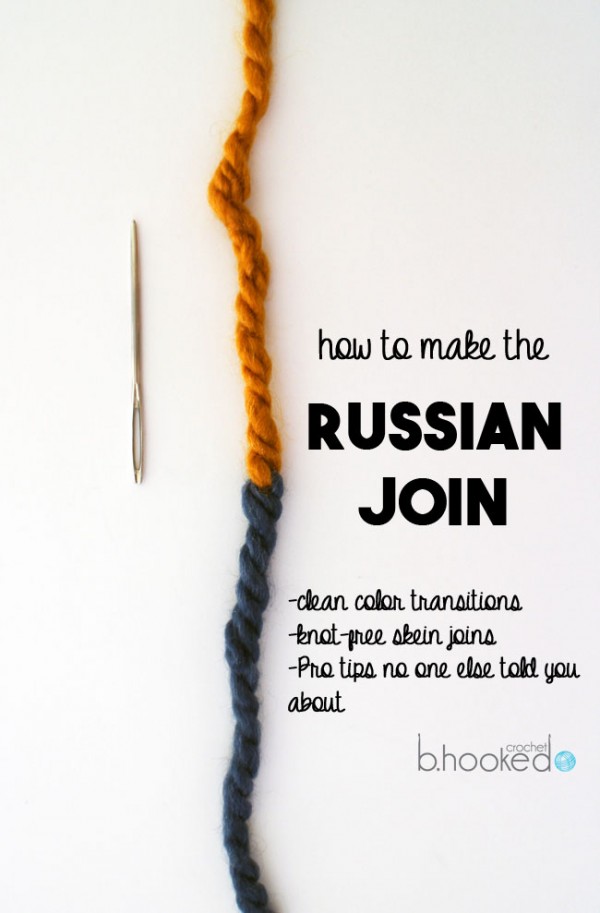
Try the Russian join to avoid weaving in ends.Weaving in ends is one of the things about knitting that a lot of knitters don’t enjoy. It’s a necessary evil, particularly in large projects or projects where the color changes often.

I usually just weave in my ends the old-fashioned way, but if I’m working with wool I’ll sometimes do a “spit splice” (I don’t actually spit on it, though, I use water to felt the ends of two balls together).

Another option is the Russian join, which is a way of sewing the ends of two balls together. There’s a good video tutorial at BHooked Crochet if you haven’t seen it before.

It works best on plied, natural fiber yarns (because they hold together a little better). Brittany says she’s skeptical about the strength of a join made this way, but I think if you don’t pull on it too much it’s OK.

I like the idea of using this join if you were making a magic ball, or a larger ball out of small odd balls that you wanted to use in a project. Not having ends to weave in would be great, and it eliminates the need to tie knots to join all those odd balls together. I’m definitely going to try this soon and will share the results with you!

Have you ever used the Russian join? I’d love to hear your thoughts and all about when you use it.

[Photo via BHooked Crochet.]

Looking to chat about Knitting and Patterns? Check out our Facebook Knitting page and our Facebook group dedicated to Knitting and Knitting Patterns.
«
»

Comments

  1. Enid Burns says

    March 4, 2017 at 10:43 pm

    I’ve used the Russian Join on a few projects. It is a bit fussy, but the payoff is worth it.

Have you read?

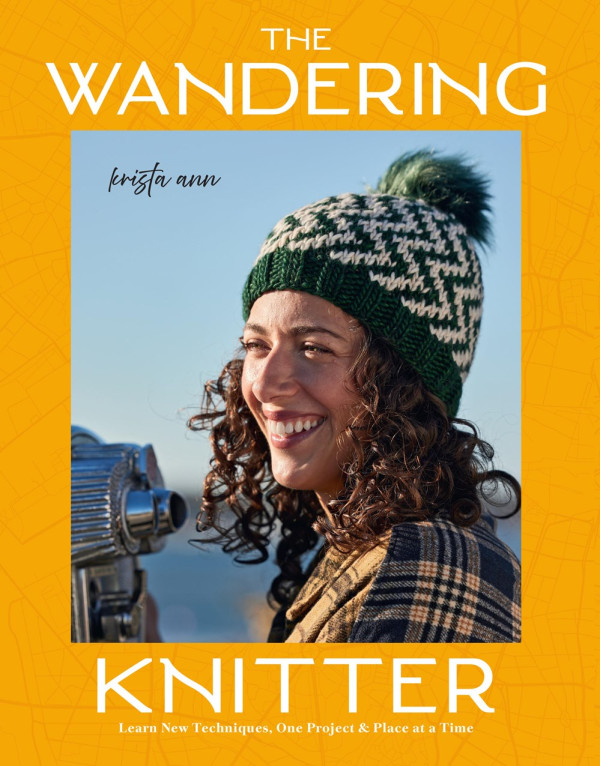
Book Review: The Knitter’s Sweater Fitting Bible

It’s one thing to follow a knitting pattern and get the fit that the designer wanted for that particular project. But it’s quite another thing to decide how you want your sweater to fit and making a project work for you. 

Designer Kim McBrien Evans aims to help knitters understand why sweater patterns don’t always work for them the way they expect and what to do about it in her book The Knitter’s Sweater Fitting Bible.

She describes the book as containing “everything I’ve learned about sweaters, bodies, and the art of fit.” It covers how to plan for a good fit through things like taking measurements and choosing the correct size to knit, understanding ease, reading schematics and fixing fit issues. 

Sweater style templates give knitters a place to start knitting better sweaters with made to measure patterns that work with any body, any yarn and any gauge. The book is designed to give knitters confidence to go their own way whether they’re modifying existing patterns, using one of the templates or designing their own custom sweater.

McBrien Evans argues that the best way to make a sweater that will fit well and stand up to lots of wearing is to work from the top down flat in pieces that are seamed when the knitting is done (the exception being circular yoke sweaters, which are worked in the round from the top down). She offers advice for making seaming easier like using selvedges and short rows.

She goes into a lot of detail on how and where to measure yourself and how to understand schematics in knitting patterns to help you choose the correct size for you and know where to adjust. The fixing fit chapter covers how to fit a sweater to your body from the shoulders down, with tips for things like balancing uneven shoulder height, accommodating a larger bust, using different shaping on the front and back of a sweater for better fit, fixing neckline depth and fixing sleeve and body lengths. 

The book includes photos and drawings of people of different sizes and with physical differences such as a smaller limb or having a mastectomy on one side, which is nice and helps you see how these concepts work on different bodies. 

The sweater templates offer options like a straight body, A-line and waist shaping body; set in sleeve caps and armholes, straight raglans and modular compound raglans, drop shoulders and circular yoke shaping; crew, scoop and V-neck options; a variety of sleeve templates, neckline finishes, and button hole options for cardigans. 

It’s easy for all this to feel overwhelming if you’re trying to read the book cover to cover, but it’s good to know that all of those options are there if you need them. There are also nine design profile sweaters that show you how all the pieces go together that you can knit through to help you understand some of the concepts. 

A fit kit in the back walks you through the math so you’ll feel comfortable with things like determining your rate of shaping, adding darts, shaping diagonals and calculating the lengths of curved edges, among other things. 

The good news is you’re not going to need all of these tools for every project. The better news is that now you know these are things you can do to make your sweaters fit better, and you’ll have McBrien Evans as your able guide every step of the way. 

While this might not be a book you want to spring on a new sweater knitter, it’s a guide that everyone who enjoys knitting garments should have on hand to reference ways to make sweaters they want to knit — from written patterns or designing for themselves — that much better. 

About the book: 192 pages, hardcover, 9 patterns. Published 2026 by David & Charles. Suggested retail price $29.99.

Categories

Afghans, Blankets, Throws baby hat Baby Patterns Beginner Book Reviews cardigans Christmas Craft News and Events Free Knitting Patterns Giveaways! Hats and Beanies Knit Knitting Patterns Knitting Technique & Tutorials mittens Quick Knits scarf shawl patterns socks Sweaters

RSS feed: More Articles More Articles

  • Nipping and Tucking Digital Stamps: How to Edit, Customize and Perfect Digi Images for Cardmaking
  • Cotton Companion Free Crochet Bag Pattern
  • 2 Crochet Moses Basket Patterns for Babies and Dolls
  • Easy Candy Corn Layered Loaf Soap Cut Into Triangles
  • How to Make a Pumpkin and Crow Halloween Card (and how to fix card mistakes)
  • Felted Daffodil Flower Tutorial Review – Gillian Gladrag
  • 12 Cozy Scrapbook Layout Ideas for Autumn
  • 10 Things To Add To Packet Ramen Noodles To Make Them Gourmet
  • 14 Magic Ring Crochet Tutorials for Beginners
  • Stitch Some Small Cross Stitch Patterns for Fall

Pick Your Blog

  • Sewing
  • Knitting
  • Quilting
  • Crochet
  • Home & Garden
  • Recycled Crafts
  • Scrapbooking
  • Card Making
  • Polymer Clay
  • Cross-Stitch
  • Edible Crafts
  • Felting
  • Glass Art
  • Indie Crafts
  • Kids Crafts
  • Jewelry Making
  • Lesson Plans
  • Needlework
  • Bath & Body
  • Party Ideas
  • Candle Making
  • DIY Weddings
  • Not Craft
  • Free Craft Projects

Copyright © 2026 · CraftGossip | Start Here | Contact Us | Link to Us | Your Editors | Privacy and affiliate policy