• Home
  • Suggest A DIY
  • DIY Newsletter

Knitting

Free Patterns, Tutorials and Project Ideas

  • About CraftGossip
  • Our Network
    • Bath & Body Crafts
    • Candle Making Ideas
    • Crochet Ideas
    • Cross Stitch
    • Edible Crafts
    • Felting Patterns
    • Glass Art
    • Home & Garden Ideas
    • Indie Crafts
    • Jewelry Making
    • Kids Crafts
    • Knitting Patterns
    • Lesson Plans
    • Needlework
    • Party Ideas
    • Polymer Clay
    • Quilting Ideas
    • Recycled Crafts
    • Scrapbooking
    • Sewing Patterns
    • Card Making
    • DIY Weddings
    • Not Craft Ideas
  • Giveaways
  • Roundups
  • Store
  • Search

Knitting Tip: Intarsia in the Round

March 13, 2013 by Sarah White

I’ve been working on a project — which I’ll share with you as soon as it’s done! — that is a mostly plain hat with some colorwork. I’d been resistant on working the colorwork section, and once I started knitting it, I realized why: it needed to be worked as intarsia, which you can’t really do in the traditional way in the round.
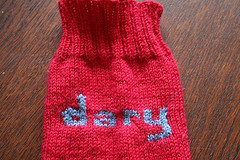
working intarsia in the roundIntarsia is also known as picture knitting, and it involves working a section in one color and another section in another color without stranding the yarn behind the work. So if you have a background color and an accent color, you have one ball of yarn for the background, another ball for the accent, then another ball of the background color to work on the other side.

The trouble with this when working in the round is that your accent color yarn ends on the incorrect side for using it to knit with on the next round. There are a couple of ways you can deal with that:

  • Cut the yarn of every round and start a new strand.
  • Leave a really long tail so you can knit the next round with the tail from the previous round (you’ll still have to start a new strand every two rounds this way).
  • Work back and forth rather than in the round for that section, which requires joining the rounds together (described in this fun pattern from Knitty).
  • Strand the yarn all the way around the work so that you can use the same strand throughout. Make sure you work really loosely if you do it this way.

Check out this great article from Abfabulies for the pros and cons of a couple of these methods, as well as great pictures of what the methods look like on the front and back of the knitting.

I ended up doing some kind of crazy hybrid of stranding and cutting, but when I write the pattern I think I’m going to suggest another method altogether: using duplicate stitch instead.

[Photo via Abfabulies.]
«
»

Comments

  1. Anastasia says

    March 14, 2013 at 3:43 am

    I’ve been wanting to learn intarsia lately, but I haven’t done very well so far. I’ll have to keep these tips in mind!

Have you read?

Knit a Log Cabin Blanket with All Your Scraps

I guess I must have had this pattern on my mind, because I had chosen this log cabin blanket recipe to write about, promptly forgot about it and a couple of weeks later started knitting a log cabin blanket using all my pink yarn. 

It might stay pink if it makes it to baby blanket sized, or I might add in some pastel green and blue, too, to make a bigger blanket. We’ll see. I’m also holding several strands of yarn together to make a kind of bulky yarn, which means it’s deeply satisfying how much yarn is used even as the project is still relatively small. 

In Kristen Finlay’s version, DK weight yarn scraps (or fingering/sock yarn held double) are used to make a simple scrappy log cabin blanket that’s lighter weight than my version. Log cabin is a great technique for knitters of any skill level because it’s worked in garter stitch. The only not completely basic technique you need for log cabin knitting is picking up stitches. 

If you’ve never worked a log cabin knitting project before, this is a good introduction, and it is really nice to use all your yarn scraps in one big project you’ll use for years to come. 

If you use a lot of DK weight yarn you can keep building on it whenever you finish a project, or if you use more worsted weight you can do the same thing with it, it will just be a little bigger starting out than the pattern calls for. How big it gets is totally up to you. 

I have really been enjoying working on my log cabin project, and it’s my current sitting at my desk and need a break knit (do you have one of those or is it just me?). 

Ready to start your own log cabin blanket knitting project? You can grab the free pattern from Kristen Finlay on Ravelry. 

Need more log cabin inspiration? Check out more log cabin knitting patterns. 

[Photo: Kristen Finlay]

Categories

Afghans, Blankets, Throws baby hat Baby Patterns Beginner Book Reviews cardigans Christmas Craft News and Events Free Knitting Patterns Giveaways! Hats and Beanies Knit Knitting Patterns Knitting Technique & Tutorials mittens Quick Knits scarf shawl patterns socks Sweaters

RSS More Articles

  • 4 Crayon Cutable or Printable Files for Back to School
  • How to Make a Crochet Vision Board – Plan the Crochet Projects You Actually Want to Make
  • What to Serve with Rotisserie Chicken: 21 Delicious Sides You’ll Want on Repeat
  • Etsy Feature – Moth Pottery Template for Slab Building
  • Hubcap Creatures: Transforming Roadside Finds into Sculptural Wildlife
  • Learning about Georgia for Kids
  • How to Make a Moth Birthday Card
  • DIY Giant Eyeball Lanterns – Creepy Halloween Decoration
  • Designer Spotlight: Artmishka Cross Stitch
  • Freebie Friday – Grungy Pumpkins and Fall Tags Junk Journal Printables

Pick Your Blog

  • Sewing
  • Knitting
  • Quilting
  • Crochet
  • Home & Garden
  • Recycled Crafts
  • Scrapbooking
  • Card Making
  • Polymer Clay
  • Cross-Stitch
  • Edible Crafts
  • Felting
  • Glass Art
  • Indie Crafts
  • Kids Crafts
  • Jewelry Making
  • Lesson Plans
  • Needlework
  • Bath & Body
  • Party Ideas
  • Candle Making
  • DIY Weddings
  • Not Craft
  • Free Craft Projects

Copyright © 2026 · CraftGossip | Start Here | Contact Us | Link to Us | Your Editors | Privacy and affiliate policy