• Home
  • Suggest A DIY
  • DIY Newsletter

Knitting

Free Patterns, Tutorials and Project Ideas

  • About CraftGossip
  • Our Network
    • Bath & Body Crafts
    • Candle Making Ideas
    • Crochet Ideas
    • Cross Stitch
    • Edible Crafts
    • Felting Patterns
    • Glass Art
    • Home & Garden Ideas
    • Indie Crafts
    • Jewelry Making
    • Kids Crafts
    • Knitting Patterns
    • Lesson Plans
    • Needlework
    • Party Ideas
    • Polymer Clay
    • Quilting Ideas
    • Recycled Crafts
    • Scrapbooking
    • Sewing Patterns
    • Card Making
    • DIY Weddings
    • Not Craft Ideas
  • Giveaways
  • Roundups
  • Store
  • Search

What’s the Best Cast On Method for Knitting? Beginner-Friendly Cast Ons Explained

January 3, 2024 by Sarah White

I’ve learned a lot of different cast on methods through the years, and taught a lot of them, too, whether in person or online.

My absolute favorite to teach new knitters is the knit cast on because once you know how to cast on you basically know how to knit, too. And because of that it’s also pretty easy for people to remember how to do it when their teacher is gone or if they stopped knitting for a while and are picking it back up again.
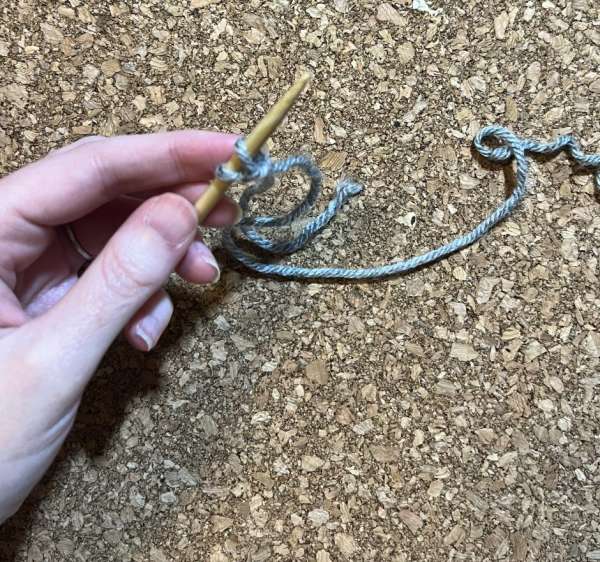
When it comes to my own knitting, thought, I’d say more than 90 percent of the time I use the long-tail cast on. It’s easy and fast once you get the hang of it, and the most efficient way I know of to cast on a whole lot of stitches at once.

But it’s not always the best cast on method or even one that you can use. You can’t use a long tail cast on in the middle of a row (or even the middle of a project) for example.

I’ve collected some of my favorite cast on methods and the pros and cons of using them over on Our Daily Craft. This post is a quick summary of six different cast on methods and when to use them, but within the post there are links to tutorials for how to work each of them, if any of them happen to be new to you.

I’m sure I’ll keep adding to this collection (it needs provisional cast on for sure, I just don’t have a tutorial for that yet) but if you know these six methods that will get you through a lot of different knitting situations.

At the end of the day, the “best” cast on is usually the one that suits the project in front of you — and the one you can do without muttering too loudly at your yarn. A stretchy cast on is lovely for hats and cuffs, a firmer one works beautifully for structured edges, and a simple beginner-friendly cast on is sometimes exactly what you need to get the stitches on the needle and actually start knitting.

If you’re still new to knitting, don’t feel as though you need to learn every cast on method at once. Pick one or two reliable favourites, practise them on scrap yarn, and add new techniques as your projects call for them. That’s how most of us build our knitting toolkit — one slightly wonky practice swatch at a time.

So now I’d love to know: what’s your favourite way to cast on? Are you a loyal long-tail knitter, do you prefer the knit cast on, or do you have a stretchy cast on you swear by?
How to Fix a Dropped Cast On Stitch

A Cheat Sheet for Cast Ons

How to Make a Knit Cast On

Learn to Knit: Cable Cast On

«
»

Comments

  1. Dot says

    January 3, 2024 at 5:33 pm

    My favorite provisional cast on is the COWYAK cast on from TECHknitting. It takes a bit more time, but you get nice even live stitches when it’s removed.

Have you read?

Knit a Mosaic Shawl Inspired by Mythology

Sometimes when I’m scrolling through Ravelry a pattern will catch my eye as much because of the name as the look of the design (which is a little hard to see in those little thumbnails sometimes, anyway). 

So it was with the Stellify shawl by Paola Albergamo. Stellify means to turn into a star, and the name and the story behind the shawl come from the story of Ariadne. The better known part of her story is that she helped Theseus escape from the Minotaur, but he then abandoned her. What comes after in many stories is that Dionysus found her, fell in love with her and later married her. 

When he threw her jeweled crown into the sky, the Corona Borealis constellation was formed. 

What does all this have to do with shawl knitting? 

The shawl itself looks like it has a scattering of stars on it, as if it, too, has been stellified. The shawl begins with an I-cord tap and is shaped into a triangular shawl with both lateral and central increases. I-cord edging is incorporated into the sides, and the colorwork is done with mosaic knitting, which means this shawl is easier than it looks. 

Mosaic knitting has you working with just one color per row, slipping stitches that appear in the other color to make the colorwork visible. Even better for people new to this kind of colorwork, the pattern includes written and charted instructions throughout so it should be easy to follow along. 

The pattern comes in two sizes (the larger one is shown here) and calls for two colors of fingering weight yarn. It looks great in black and yellow, but don’t miss the other projects on Ravelry to see other fun and beautiful color options. 

You can find the pattern in English and Italian on Ravelry. 

[Photo: Paola Albergamo]

Categories

Afghans, Blankets, Throws baby hat Baby Patterns Beginner Book Reviews cardigans Christmas Craft News and Events Free Knitting Patterns Giveaways! Hats and Beanies Knit Knitting Patterns Knitting Technique & Tutorials mittens Quick Knits scarf shawl patterns socks Sweaters

RSS More Articles

  • Cross Stitch a Gorgeous Cornucopia Wreath
  • Knit a Mosaic Shawl Inspired by Mythology
  • 12 Travel Adventure Scrapbook Layout Ideas
  • 12 Adorable Axolotl Crochet Patterns To Make
  • 12 Easy Sewing Projects To Make With Fat Quarters
  • Apple Knitting Patterns for Fall and Back to School
  • Learning about Gabon for Kids
  • 12 Beginner-Friendly Quilt Blocks That Are Perfect for Scraps
  • Crochet Pokémon Cards Are the Collectible Crossover Crafters Cannot Resist
  • Ranunculus Knitting Pattern: Why Knitters Keep Making This Famous Sweater

Pick Your Blog

  • Sewing
  • Knitting
  • Quilting
  • Crochet
  • Home & Garden
  • Recycled Crafts
  • Scrapbooking
  • Card Making
  • Polymer Clay
  • Cross-Stitch
  • Edible Crafts
  • Felting
  • Glass Art
  • Indie Crafts
  • Kids Crafts
  • Jewelry Making
  • Lesson Plans
  • Needlework
  • Bath & Body
  • Party Ideas
  • Candle Making
  • DIY Weddings
  • Not Craft
  • Free Craft Projects

Copyright © 2026 · CraftGossip | Start Here | Contact Us | Link to Us | Your Editors | Privacy and affiliate policy