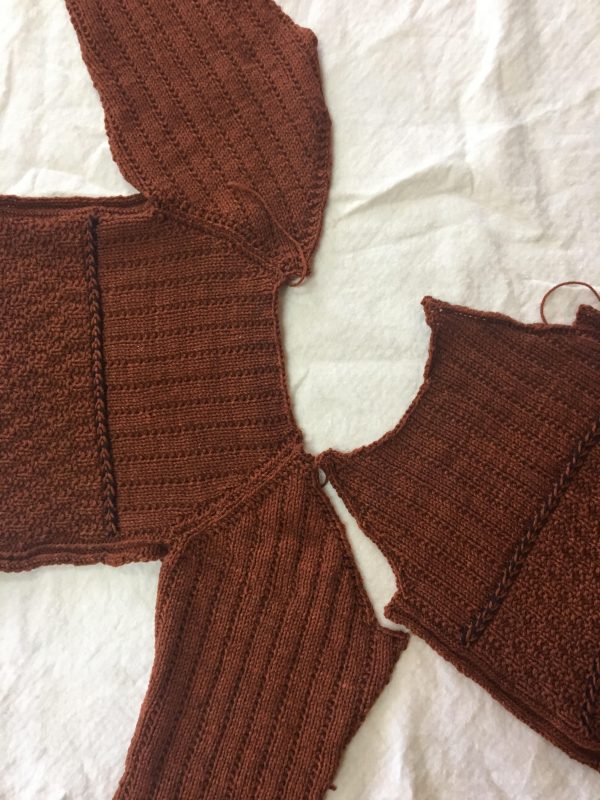
 The Brown Sheep blog has a great post about how to sew a sweater together that will be helpful if you haven’t pieced a sweater before.
It shows a toddler-sized sweater worked as a front, back and sleeves, and recommends … Read More ...
Free Patterns, Tutorials and Project Ideas
The Brown Sheep blog has a great post about how to sew a sweater together that will be helpful if you haven’t pieced a sweater before.
It shows a toddler-sized sweater worked as a front, back and sleeves, and recommends … Read More ...
 There are so many great, colorful sock yarns out there that it’s super tempting to use them for other projects that call for fingering-weight yarns.
I found this article from Jillian Moreno at Mason-Dixon Knitting all about sock yarn versus … Read More ...
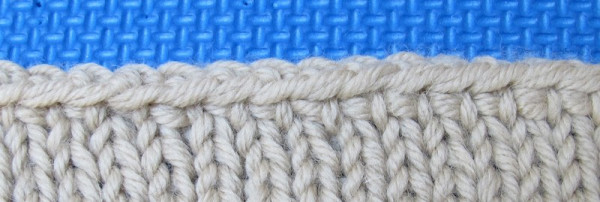 I tend to bind off really tightly. As in, if I’m knitting a scarf the cast on edge will be wider than the bound off edge.
I pretty much do a stretchy bind off (knit two together through the back … Read More ...
 I was recently on vacation, which involved trips up 12 hours in the car there and back.
Being a knitter, of course I saw that as prime knitting time.
I always have a little anxiety around what knitting to pack … Read More ...
Blocking your knitting is an important last step to ensuring that your knit projects looks as good as they should. It’s essential for lace knitting projects to open up the eyelets, but it’s great for a lot of other knitting … Read More ...
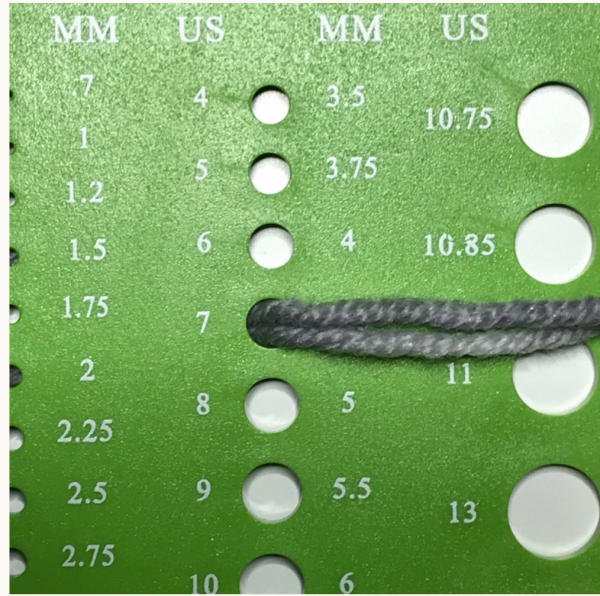 There comes a time in every stasher’s life when they have a hankering to combine a couple of yarns to make a yarn of a different weight.
Patty Lyons, writing on the Mason-Dixon Knitting website, offers some general advice on … Read More ...
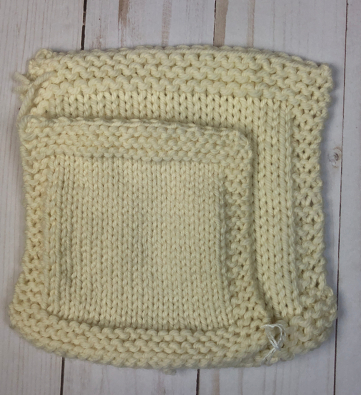 Most professional knitters — and many other dedicated stitchers — will tell you how important it is to swatch beofre starting a project if you actually want it to fit the body for which it is intended.
Ball bands offer … Read More ...
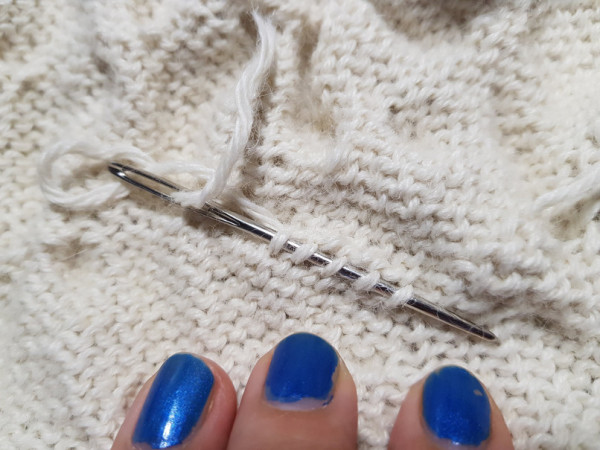 I have a somewhat dark secret: sometimes I never weave in my ends on knitting projects. Or at least not very well.
I have sweaters that have basically felted ends on the inside because I never bothered to weave them … Read More ...
 Different hobbies tend to have their own languages that are indecipherable to people not in the know, but in knitting the code can be particularly frustrating to break because so many abbreviations are used in knitting patterns themselves.
Whether you’re … Read More ...
 Sock knitting is so fun. They’re great travel projects and I like to have one on the needles all the time to work on wherever I am.
But one thing that can be tricky for people who are new to … Read More ...
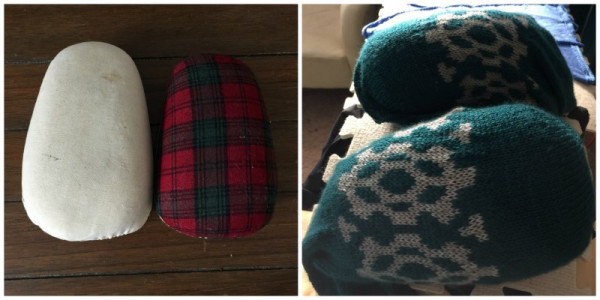 There are lots of times when different crafts cross over, or when tools that might be used for one craft (say, a crochet hook) can be useful for other crafts as well (such as picking up stitches or weaving in … Read More ...
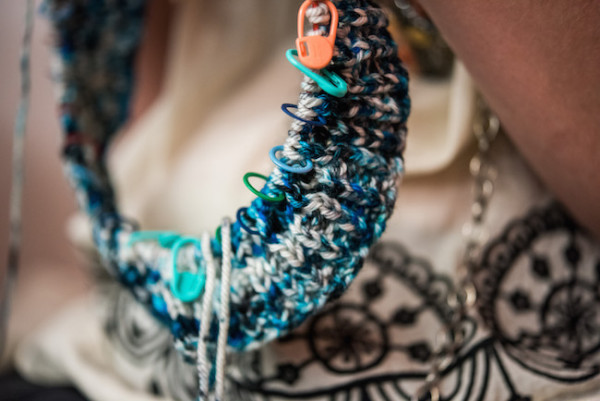 Most knitters use stitch markers
 when they are knitting in the round to mark the end of the round, but many of us don’t use them as often as we should or could to make our knitting lives easier.
I … Read More ...
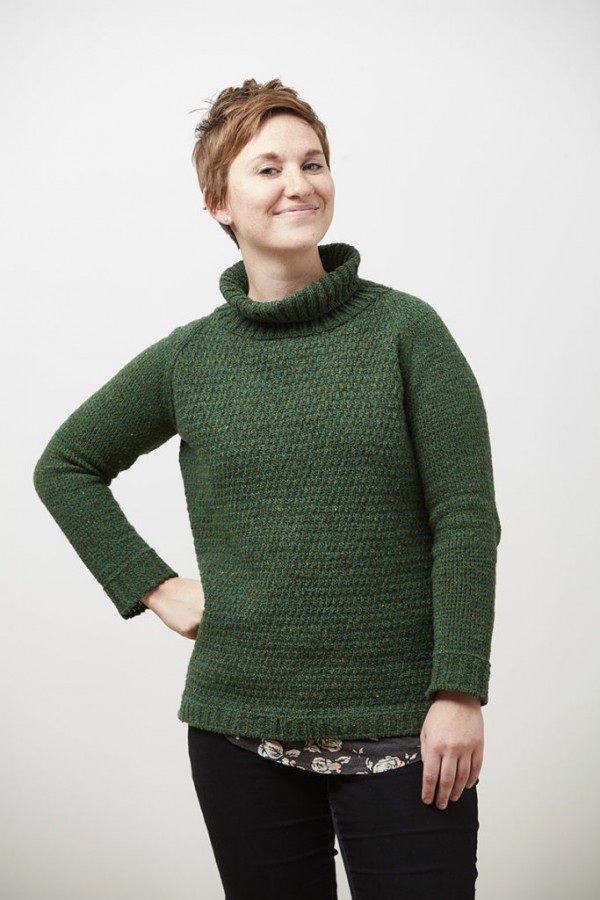 Knitting a sweater for yourself can be a fraught activity. You put so much time and effort (and money) into it, and you want it to be perfect, but often it just isn’t.
Sometimes the sleeves come out way too … Read More ...
 The other day I shared a post with a mnemonic device to help you remember how to work the Kitchener stitch.
But even when you know how to do it, it is, admittedly, not a lot of fun.
What … Read More ...
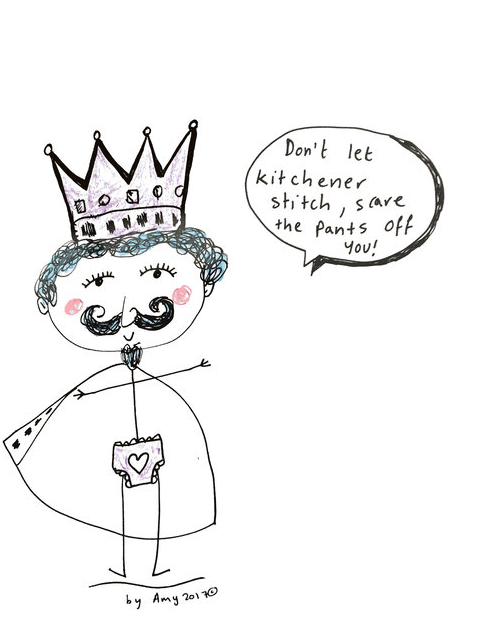 Kitchener stitch is a classic way to close up the toes of socks, and is sometimes used in other knitting projects as well.
But it’s one of those things that we don’t use often enough to always be able to … Read More ...